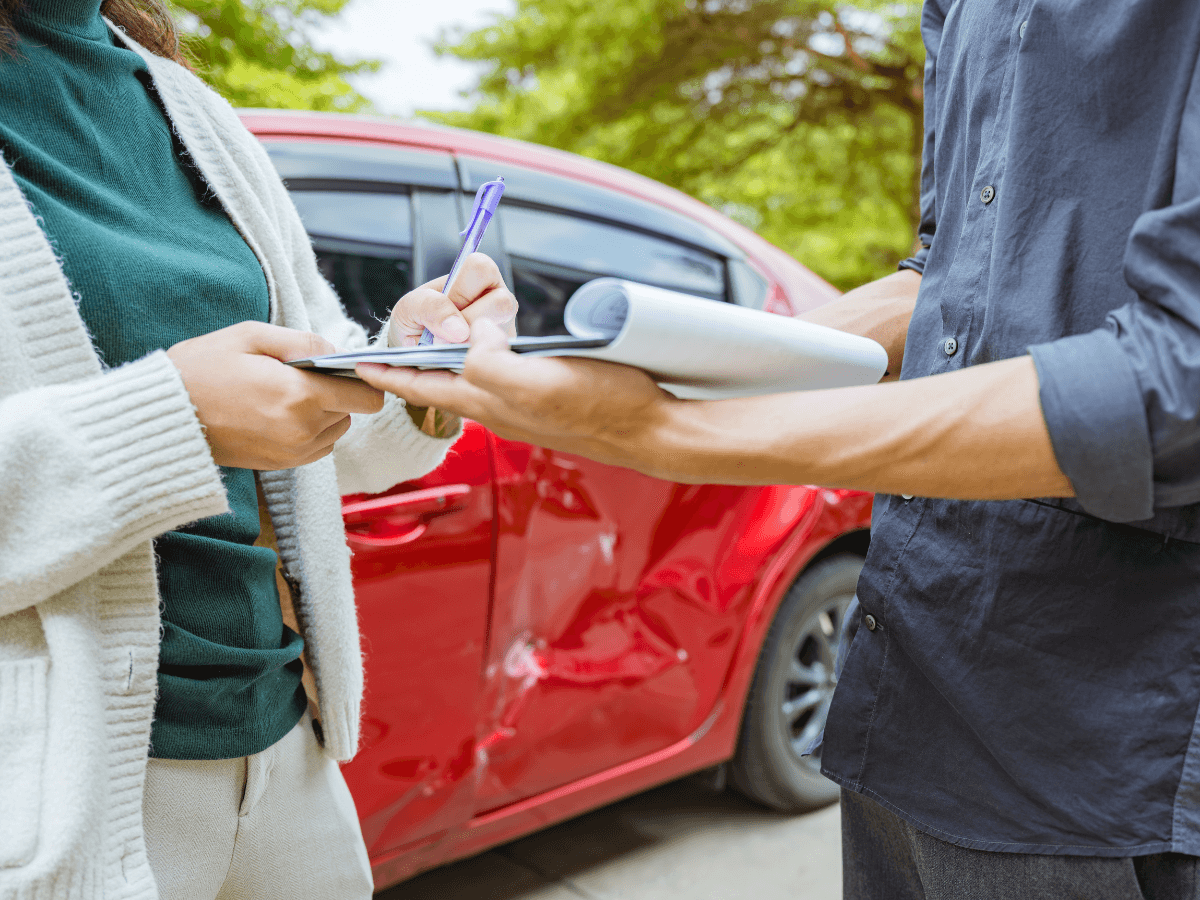
The moments after a car crash can feel disorganized fast. You may be checking for injuries, dealing with traffic, exchanging information, talking with police, and trying to remember details while your adrenaline is still running high. Having a clear sequence of steps can make that situation easier to navigate.
A what to do after car crash checklist helps you focus on immediate safety first, then move through documenting the scene, gathering driver and witness information, reporting the collision, seeking appropriate medical attention, and preserving important records.
Some actions need to happen at the scene, while others become important in the hours and days that follow. Knowing the difference can help you avoid overlooked details and create a clearer record of the accident for insurance, medical, and potential legal purposes.
What to Do After Car Crash Checklist: A Step-by-Step Guide
What Should You Do in the First Minutes After a Car Crash?
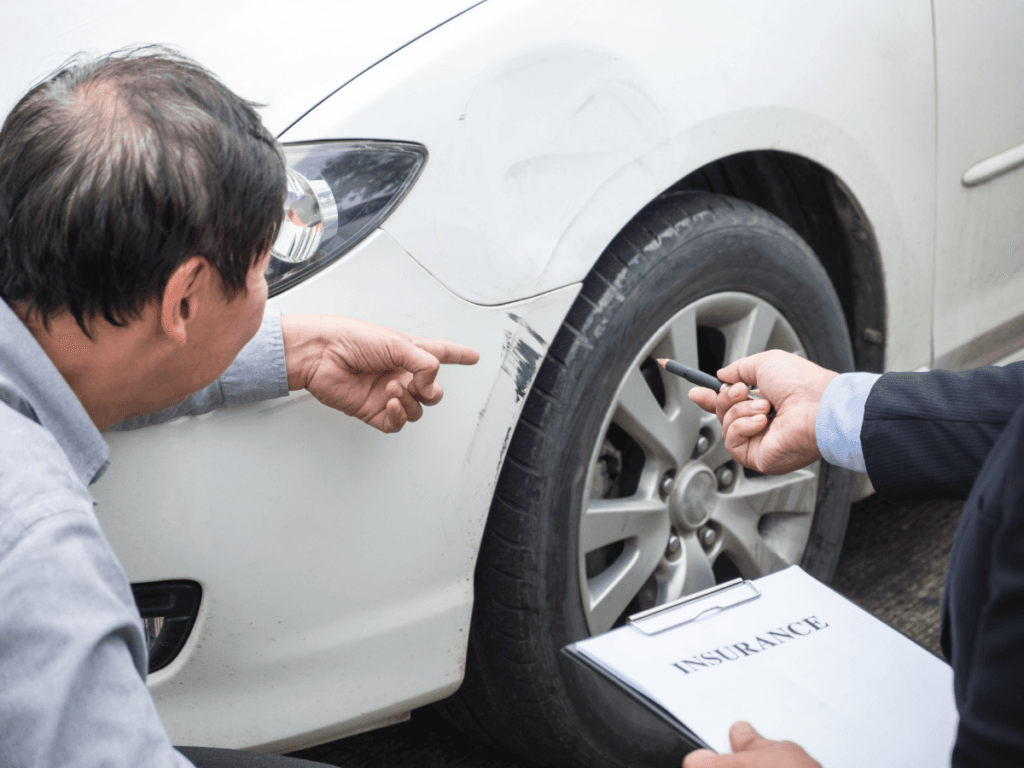
The first few minutes after a collision are about safety, not insurance negotiations or deciding who was at fault. A practical what to do after car crash checklist should put injured people, traffic hazards, and emergency assistance ahead of paperwork.
It can be difficult to think clearly immediately after impact, so follow a simple order: stop, check for injuries, call for help, move out of danger when appropriate, and preserve the basic facts of what happened.
Stop and Check for Injuries First
Bring the vehicle to a stop as safely as possible and check yourself and your passengers before doing anything else. Look for obvious injuries, but do not assume everyone is unhurt simply because they feel fine immediately after the crash.
Georgia’s driver guidance specifically warns that a person may be injured even if they initially say they are not. Call 911 if anyone is injured, appears disoriented, has significant pain, is bleeding, or needs emergency medical attention.
Do not move a seriously injured person unless remaining where they are creates an immediate danger, such as fire or passing traffic.
Call Law Enforcement When the Crash Must Be Reported
Georgia drivers are instructed to notify the nearest law enforcement agency immediately when a collision involves an injury or death or when property damage exceeds $500.
Because vehicle damage can be difficult to estimate accurately at the roadside, calling 911 or the appropriate local law enforcement agency is often the simplest way to determine what should happen next.
Give the dispatcher your location, whether anyone appears injured, how many vehicles are involved, and whether the crash is blocking traffic or creating another immediate hazard.
Move the Vehicle Only When It Is Safe and Appropriate
Leaving damaged vehicles in active traffic can create the risk of another collision, but moving them is not appropriate in every situation.
On a multilane highway or expressway in Georgia, drivers involved in a crash with no apparent serious injury or death have a duty to move drivable vehicles from the roadway to a shoulder, emergency lane, median, or another safe location when doing so will not create additional danger.
Moving the vehicle under those circumstances does not, by itself, mean accepting fault. If the vehicle cannot be driven safely, do not force it to move. Follow the dispatcher’s or responding officer’s instructions instead.
Turn on your hazard lights when possible. Reflective triangles or similar warning devices can also help alert approaching drivers, but only place them if you can do so without entering dangerous traffic.
Stay at the Scene and Exchange Basic Information
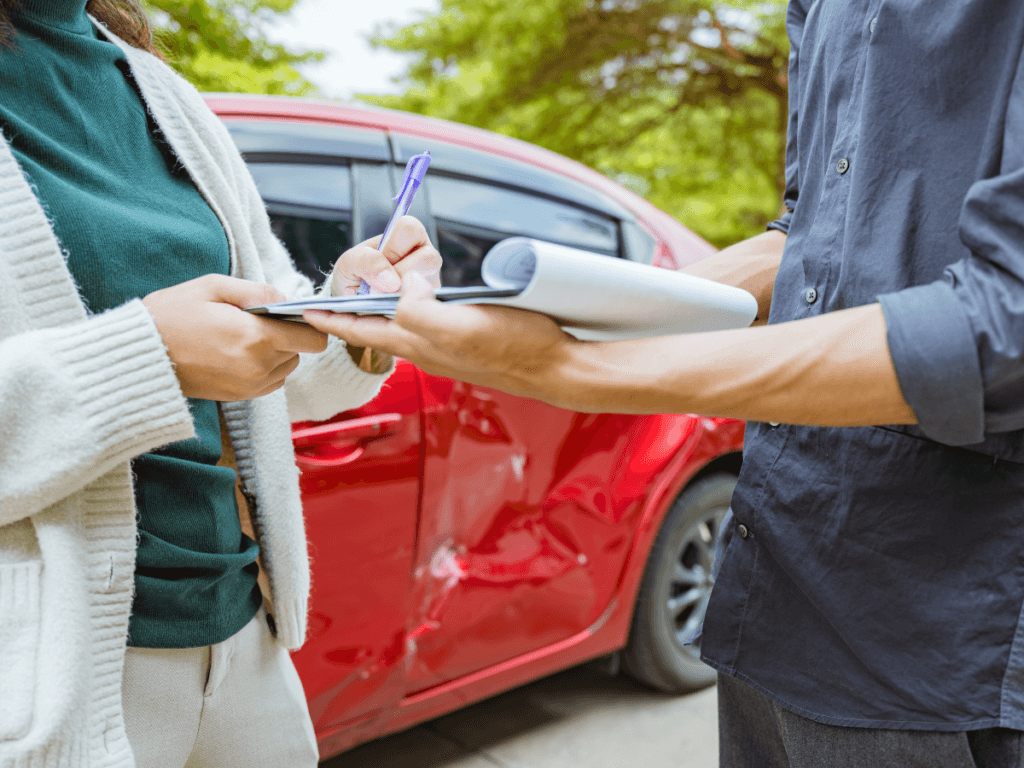
Moving to a safer location does not mean leaving the crash scene. Georgia drivers involved in a collision are expected to provide identifying information to the other parties, including their name, address, license plate number, and driver’s license number. You should collect the same basic information from the other driver.
When practical, also obtain:
- The other driver’s phone number
- Insurance company and policy information
- Vehicle make, model, and license plate
- Names and contact information for witnesses
- The responding officer’s name or report number
Keep the exchange factual and calm. The roadside is not the place to argue about liability or negotiate payment for damage.
Take a Few Photos Before the Scene Changes
Once everyone is safe and emergency needs have been addressed, document what you can without putting yourself in traffic.
Photograph the vehicles from several angles, visible damage, the surrounding roadway, traffic signs or signals, skid marks, debris, weather conditions, and anything else that may help explain how the collision occurred.
Photos can become important later because insurers often look at vehicle damage, road conditions, witness statements, police reports, and other evidence when evaluating liability. Do not delay emergency care or put yourself in danger to get a better photograph.
Avoid Guessing About Fault at the Roadside
It is normal to feel shaken after a collision. That is one reason this is a poor time to make confident statements about what caused the crash. Answer questions from law enforcement truthfully, but distinguish between what you know and what you are unsure about. If you did not see something, say that rather than guessing.
The same principle applies when speaking with the other driver. Keep the conversation focused on safety and exchanging necessary information.
Use a Simple First-Minutes Checklist
If you remember nothing else, this what to do after car crash checklist covers the immediate priorities:
- Stop safely.
- Check yourself and passengers for injuries.
- Call 911 when anyone is hurt or emergency assistance is needed.
- Notify law enforcement when Georgia reporting requirements apply.
- Move a drivable vehicle out of active traffic when legally required and safe.
- Turn on hazard lights and warn approaching traffic only if you can do so safely.
- Stay at the scene.
- Exchange driver and insurance information.
- Photograph the scene when conditions allow.
- Avoid arguing about fault or making guesses about what happened.
These immediate actions are only the beginning of what to do after a car accident in Georgia. Once the scene is secure, attention can shift to medical evaluation, insurance reporting, documentation, and the other decisions that follow in the hours and days after the crash.
A useful what to do after car crash checklist starts with one principle: protect people before protecting paperwork. Once everyone is as safe as possible and help is on the way, the rest of the process becomes much easier to handle methodically.
How Should You Document and Report a Car Crash?
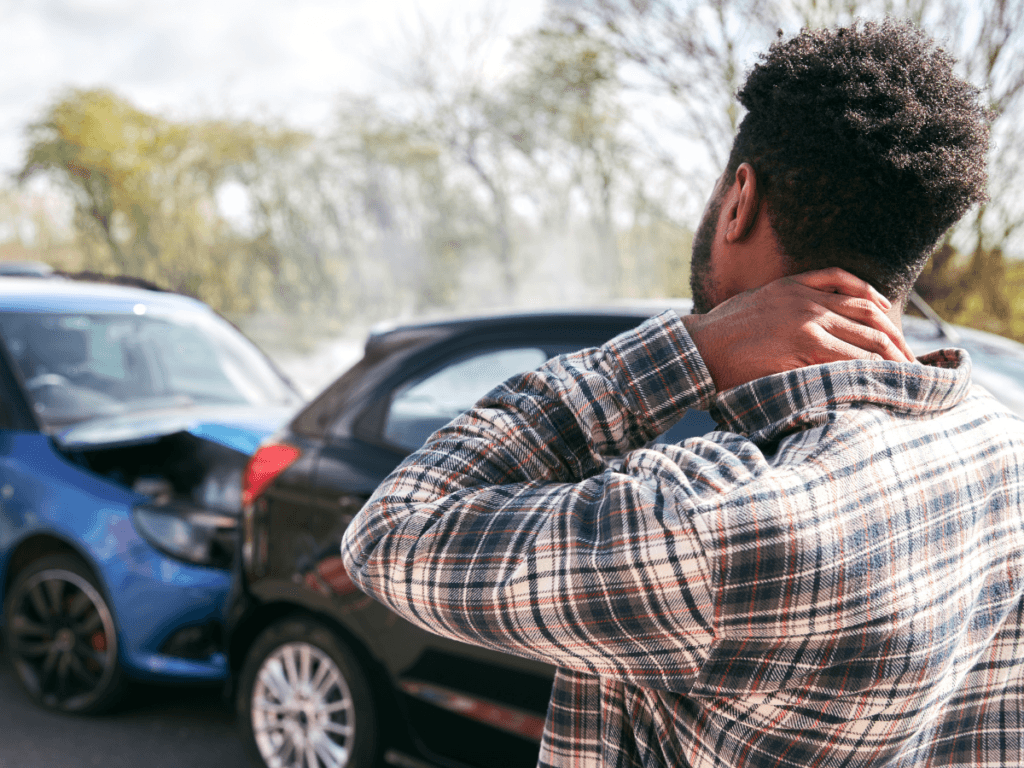
Once immediate safety concerns are under control, the next priority is creating a clear record of what happened. That includes notifying law enforcement when required, exchanging information, photographing the scene, identifying witnesses, and preserving records that may matter later.
A useful what to do after car crash checklist should treat documentation as more than paperwork. Details collected in the first hour can become difficult or impossible to recreate once vehicles are moved, debris is cleared, witnesses leave, and memories begin to fade.
Know When Georgia Requires Law Enforcement Notification
Georgia drivers should notify the nearest law enforcement agency immediately when a crash involves injury or death or when property damage exceeds $500.
Because it can be difficult to estimate vehicle damage accurately at the roadside, calling law enforcement is often sensible when there is meaningful visible damage, anyone reports pain, or the circumstances are disputed.
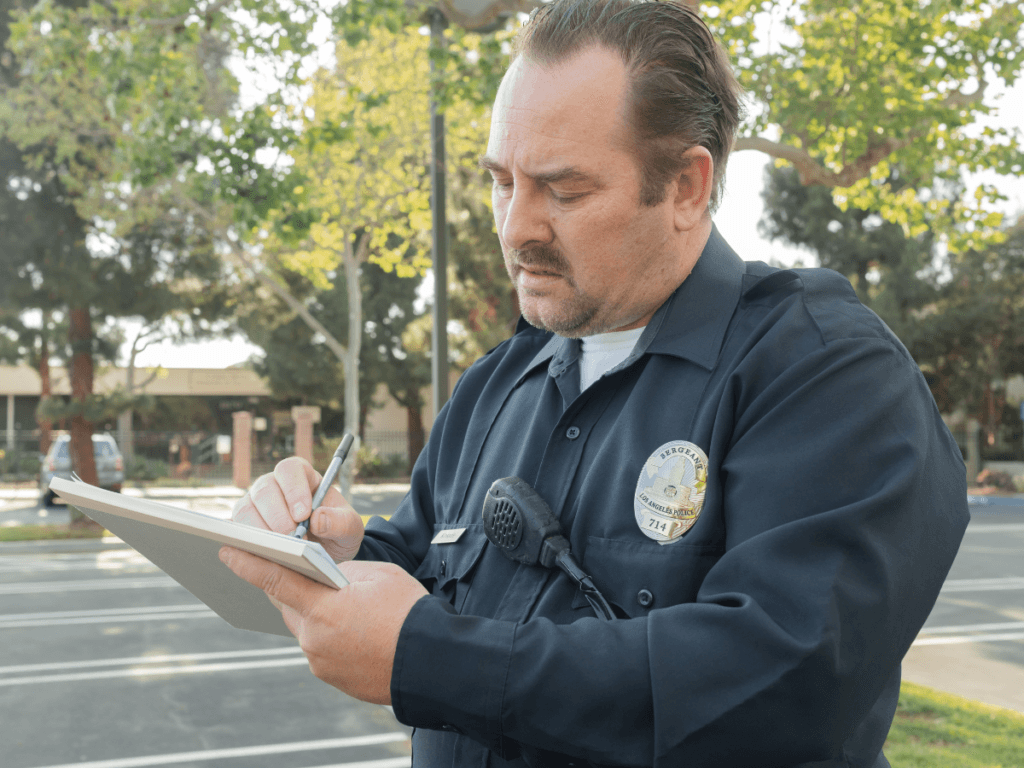
If officers respond, ask how you can obtain the report or report number later. If the Georgia State Patrol investigated the crash, reports can be requested through the Georgia Department of Public Safety. Other crash reports may be available through the appropriate state or local reporting system.
Exchange Information With the Other Driver
Georgia DDS instructs drivers involved in a collision to provide their name, address, license plate number, and driver’s license number to the other parties and obtain the same information in return.
For practical insurance purposes, also collect:
- Full name
- Phone number
- Current address
- Driver’s license number
- License plate number
- Vehicle make and model
- Insurance company
- Policy number
- Name of the registered vehicle owner if different from the driver
If the other driver refuses to provide information or becomes confrontational, do not escalate the situation. Wait for law enforcement and document what you safely can.
Photograph More Than Just the Vehicle Damage
Close-up photos of dents and broken lights are useful, but they do not capture the entire scene.
Take wide and medium-distance photos showing where the vehicles came to rest, lane markings, traffic lights, stop signs, intersections, nearby driveways, road conditions, and sight lines. Photograph debris, skid marks, damaged guardrails, and anything else that may help explain how the collision happened.
Then photograph each vehicle from several angles, including areas that appear undamaged. This can help preserve the overall damage pattern rather than only the most obvious impact point.
Insurers commonly consider police reports, photos, witness statements, citations, and other evidence when evaluating liability, which is why documenting the scene before it changes can be valuable.
Record Witness Information Before People Leave
Independent witnesses can be particularly useful when drivers disagree about what happened. If someone saw the collision, ask for their name and phone number. If they are willing, make a brief note about where they were standing or driving when they saw the crash.
Do not coach the witness or ask them to take sides. Preserve their contact information and let insurers, investigators, or attorneys follow up later if necessary. Witnesses may leave before police arrive, so gathering contact information early can matter.
Write Down What You Remember
After the scene is safe, make your own factual notes while the details are still fresh.
Record:
- Date and approximate time
- Exact or approximate location
- Direction each vehicle was traveling
- Weather and visibility
- Traffic conditions
- Traffic signals or signs
- What you remember immediately before impact
- Where each vehicle stopped
- Anything the other driver said that seemed important
- Names of responding agencies
Keep the notes factual. If you are uncertain about a detail, mark it as uncertain instead of filling in the gap from memory later.
Do Not Treat the Police Report as the Final Word on Fault
A police report can be important because it creates an official record shortly after the collision. It may include driver information, witness accounts, officer observations, citations, and a diagram of the scene.
However, the report does not automatically decide legal responsibility. Insurance companies may use it as a starting point, but they can also consider photographs, video, witness testimony, vehicle damage, medical records, and statements from the people involved.
That distinction matters if the report contains incomplete or inaccurate information. If you later notice an error, preserve the report and ask the investigating agency what process, if any, exists for providing additional information or requesting a correction.
Preserve Digital Evidence Quickly
Modern crashes may leave useful evidence beyond the police report. Dashcam recordings, nearby surveillance cameras, doorbell cameras, traffic-camera footage, and photographs taken by witnesses can all become relevant. Some systems overwrite recordings automatically, so time can matter.
If you know a nearby business or residence may have captured the collision, make a note of the location. Do not trespass or demand footage at the scene, but preserve enough information to identify the potential source later.
The role of photos, video, witness statements, and other documentation becomes especially important when insurance companies evaluate a personal injury claim, because adjusters compare multiple sources when deciding how they view liability.
Keep Everything in One Place
After leaving the scene, create one folder for crash-related documents.
Save:
- Police or crash report information
- Photos and videos
- Witness contacts
- Insurance correspondence
- Tow and storage records
- Repair estimates
- Medical records and bills
- Receipts for transportation or other crash-related expenses
Do not rely solely on text messages or your phone’s camera roll. Back up important files and give them clear names so they can be found later.
A strong what to do after car crash checklist should make the next stage easier, not simply tell you to “get a police report.” Accurate records give insurers, medical providers, and legal counsel a clearer picture of what happened and reduce the need to reconstruct basic facts months later.
What Mistakes Should You Avoid After a Car Crash?
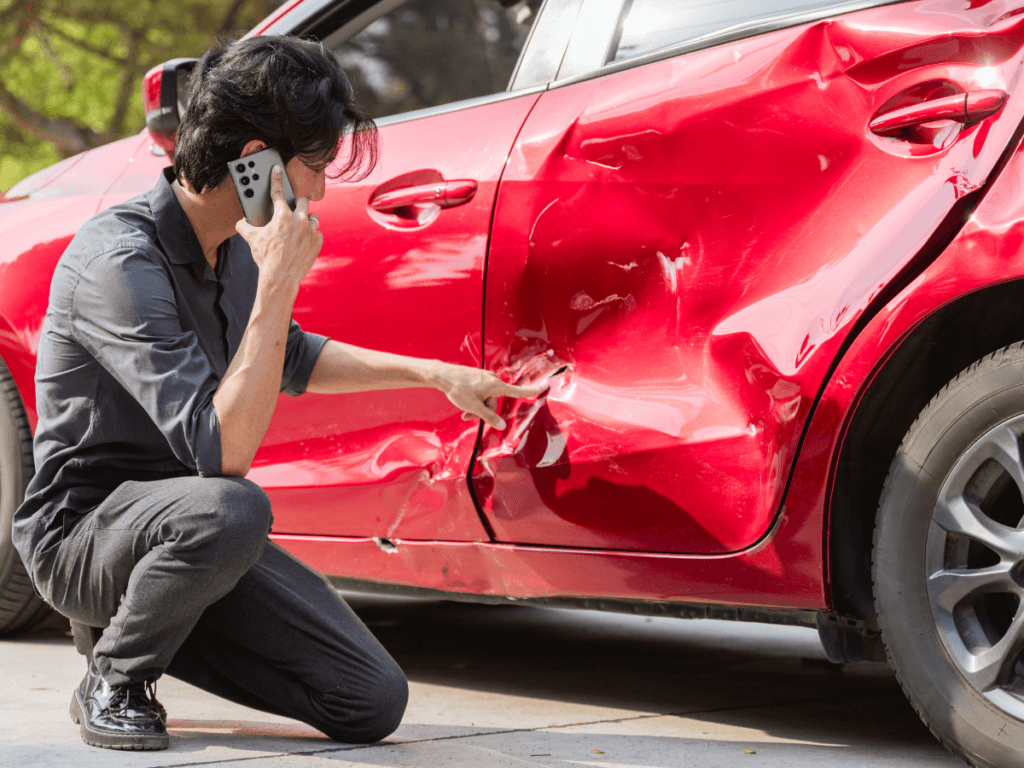
Some of the most consequential mistakes after a collision happen after everyone has left the scene. Delaying medical care, losing track of records, giving an insurer an incomplete statement, or repairing a vehicle before documenting the damage can make an already complicated situation harder to sort out.
A practical what to do after car crash checklist should therefore cover more than the first hour. The days that follow are when medical symptoms, insurance questions, repair decisions, and paperwork often begin piling up.
Do Not Delay Medical Evaluation if You Are Hurt
Some crash injuries are obvious immediately. Others become more noticeable after the initial adrenaline and stress begin to fade.
If you have pain, dizziness, headaches, limited movement, numbness, confusion, or other concerning symptoms, seek appropriate medical evaluation rather than waiting to see whether everything disappears on its own. Emergency symptoms should be treated urgently.
If you begin treatment, follow the medical provider’s instructions and keep records of appointments, referrals, restrictions, prescriptions, and bills. Gaps in treatment can later make it harder to understand how an injury developed, particularly if symptoms change over time.
Do Not Guess About Fault
You may have an immediate impression of who caused the crash, but roadside impressions are not always complete.
Traffic signals, witness accounts, vehicle positions, dashcam footage, road design, and statements from the drivers may all become relevant when liability is evaluated. Avoid making assumptions simply because one vehicle struck another or because a driver apologized at the scene.
Give factual information to law enforcement and insurers, but distinguish clearly between what you personally observed and what you are assuming.
Do Not Give Detailed Insurance Statements Without Understanding the Request
You will usually need to notify the appropriate insurer about the collision, but not every request for information needs to be handled the same way.
An adjuster may ask for a recorded statement, broad medical authorization, detailed description of injuries, or other documentation. Before agreeing, understand who is asking, what information they want, and how it relates to the claim.
Keep your answers accurate and avoid speculating about injuries, treatment outcomes, or fault when you do not yet know the answer.
If the collision involves injuries, disputed liability, significant medical treatment, or questions about available coverage, speaking with a Georgia car wreck lawyer can help clarify how insurer communications and the legal claim may interact.
Do Not Repair or Dispose of Evidence Too Quickly
Vehicle repairs often need to happen, but document the damage thoroughly first.
Photograph the vehicle from multiple angles, including close-ups and wider shots. Preserve repair estimates, towing invoices, storage records, rental-car receipts, and communications about whether the vehicle is repairable or considered a total loss.
If a damaged vehicle contains potentially important physical evidence and the crash involves serious injuries or disputed liability, ask whether additional inspection is necessary before repairs or disposal.
The same principle applies to damaged personal property such as child safety seats, helmets, clothing, or other items involved in the collision. Do not automatically throw everything away before determining whether it should be documented or preserved.
Do Not Lose Track of Crash-Related Expenses
Medical bills are only one category of financial loss that may follow a wreck.
Keep records of:
- Prescription and medical expenses
- Transportation to medical appointments
- Towing and vehicle storage
- Rental vehicles or other transportation
- Repair estimates and invoices
- Time missed from work
- Wage statements or employer documentation
- Replacement of damaged personal property
You may not ultimately need every receipt, but collecting them as expenses occur is much easier than trying to recreate several months of costs later.
Be Careful What You Post Online
A social-media post that seems unrelated to the crash can still be interpreted in ways you did not expect.
Photos of travel, exercise, social events, or physical activities may be taken out of context when an injury claim is being evaluated. Posts about the crash itself can also create inconsistencies if they differ from later statements or medical records.
Avoid discussing fault, settlement negotiations, injuries, or legal strategy publicly while the matter is unresolved. Review privacy settings, but do not assume they make online activity completely private.
Do Not Assume You Have Unlimited Time
Crash claims involve deadlines, and the applicable period can depend on the type of claim, the parties involved, and the relief being sought.
Even apart from formal legal deadlines, evidence can become harder to obtain as time passes. Surveillance video may be overwritten, witnesses may become difficult to locate, vehicles may be repaired, and memories can fade.
That does not mean every crash requires immediate litigation. It does mean postponing every decision for months can create unnecessary problems.
Do Not Ignore Letters, Bills, or Insurance Notices
Paperwork after a collision can become overwhelming, but setting it aside indefinitely can make the situation harder. Open and save insurance letters, medical bills, collection notices, repair estimates, and correspondence about vehicle damage.
If something is confusing, ask the sender, your insurer, or legal counsel what it means rather than assuming no action is required. Keep electronic copies whenever possible and organize everything by date.
Do Not Treat Hiring a Local Lawyer as an Automatic Requirement
A lawyer does not have to be located in your neighborhood to handle a Georgia car accident claim. What matters more is whether the attorney is licensed where necessary, regularly handles Georgia injury matters, understands the relevant law and court system, and has experience with the type of collision involved.
Convenience and local familiarity may still influence your decision, but geography alone should not determine who you hire.
Do Not Assume a Free Consultation Means There Is No Financial Agreement to Review
A free consultation means the initial discussion is offered without a consultation fee. It does not eliminate the need to understand what representation would cost if you hire the lawyer.
Before signing anything, ask how attorney fees are calculated, how case expenses are handled, and whether the percentage or cost arrangement changes if litigation becomes necessary.
Read the written agreement carefully and ask questions about provisions you do not understand. A strong what to do after car crash checklist is partly about knowing what to do and partly about knowing what not to do.
Protecting your health, preserving evidence, keeping accurate records, communicating carefully, and getting answers before making major decisions can prevent avoidable complications as the medical and insurance process moves forward.
Frequently Asked Questions About What to Do After a Car Crash
What Is the First Thing You Should Do After a Car Crash?
Stop safely and check yourself and your passengers for injuries before worrying about insurance information or vehicle damage.
Call 911 if anyone is hurt, appears disoriented, has significant pain, or needs emergency medical help. If there is no apparent serious injury or death and the crash occurs on a multilane highway or expressway, Georgia drivers generally should move drivable vehicles out of active travel lanes when it is safe to do so.
A practical what to do after car crash checklist should always put safety first. Documentation, insurance, and legal questions can wait until immediate hazards are under control.
When Do You Have to Call the Police After a Crash in Georgia?
Georgia DDS instructs drivers to notify the nearest law-enforcement agency immediately when a crash involves injury, death, or more than $500 in property damage.
Because it can be difficult to estimate repair costs accurately at the roadside, calling law enforcement is often sensible when there is meaningful visible damage or any uncertainty about injuries. If officers respond, ask how to obtain the report number or crash report later.
What Information Should You Exchange With the Other Driver?
Georgia drivers should exchange their name, address, license plate number, and driver’s license number after a crash.
For insurance purposes, also collect the other driver’s phone number, insurance carrier, policy number, and vehicle information. If the registered owner is different from the person driving, note that as well.
Keep the conversation factual. You do not need to debate fault or negotiate payment at the scene.
Does the Police Report Decide Who Was at Fault?
No. A police report can be important evidence, but it does not automatically determine legal fault.
The report may include officer observations, driver statements, witness information, citations, and a diagram. Insurers may consider all of that, along with photos, video, vehicle damage, medical records, witness accounts, and other evidence.
Georgia also uses comparative-fault rules. If an injured person is partly responsible, damages can be reduced by that percentage of fault, and a person who is 50 percent or more responsible cannot recover damages under the statute.
What If You Feel Fine Immediately After the Crash?
Feeling fine at the scene does not necessarily mean you are uninjured. Some symptoms can become more noticeable later, particularly after the initial stress of the crash subsides.
If you develop pain, dizziness, headaches, numbness, limited movement, confusion, or other concerning symptoms, seek appropriate medical attention. Do not exaggerate symptoms, but do not dismiss them either. Keep records of medical visits, treatment instructions, referrals, and bills if care becomes necessary.
Should You Contact Your Insurance Company Right Away?
You generally should report the collision promptly in accordance with your policy. When reporting the crash, provide basic factual information such as the date, location, vehicles involved, whether law enforcement responded, and whether anyone was injured.
Be more careful if an insurer asks for a detailed recorded statement, broad medical authorization, or conclusions about injuries before you have been evaluated. Accuracy matters more than providing an immediate answer to every question.
What Photos Should You Take After a Crash?
Photograph more than the most obvious vehicle damage.
Useful images can include:
- All vehicles from several angles
- Close-ups of impact damage
- Vehicle positions
- Lane markings
- Traffic lights and signs
- Skid marks or debris
- Road and weather conditions
- Nearby intersections or driveways
- Visible injuries, when appropriate
Take wide shots as well as close-ups. Context can become important later if there is disagreement about how the crash happened.
What Should You Do if There Are Witnesses?
Ask independent witnesses for their name and contact information before they leave. You do not need a full recorded interview at the roadside. A phone number and brief note about where the person was when they saw the collision may be enough to allow follow-up later.
Avoid coaching witnesses or telling them what you believe happened. Preserve their information and let investigators, insurers, or attorneys ask more detailed questions if needed.
Should You Accept a Quick Settlement From the Insurance Company?
Not automatically. A fast offer may arrive before you know the full extent of medical treatment, missed work, repair costs, or other consequences of the crash. Once a settlement and release are signed, reopening the claim may not be possible.
Before accepting, understand what the payment covers, what rights you are releasing, and whether outstanding medical bills or liens need to be addressed.
If the claim involves meaningful injuries, disputed fault, or uncertainty about future treatment, it may be worth getting legal advice before signing a release.
How Long Do You Have to File a Personal Injury Lawsuit in Georgia?
Georgia law generally provides a two-year limitations period for actions involving personal injury.
That does not mean every crash-related deadline is two years. Different claims, defendants, or notice requirements can create different timelines, so the general rule should not be treated as a reason to wait.
Evidence can also disappear long before a legal deadline arrives. Video may be overwritten, witnesses can become harder to locate, and vehicles may be repaired or disposed of.
What Records Should You Keep After Leaving the Scene?
Create one folder, physical or digital, for everything connected to the collision. Keep police-report information, photographs, witness contacts, insurance emails, medical records, bills, prescriptions, repair estimates, towing invoices, rental-car receipts, wage-loss records, and notes about important conversations.
A complete what to do after car crash checklist should extend beyond the roadside. Staying organized afterward makes it much easier to answer questions from insurers, medical providers, or legal counsel without reconstructing events months later.
When Should You Consider Speaking With a Car Accident Lawyer?
Legal advice may be useful when injuries are significant, fault is disputed, multiple vehicles or insurers are involved, the insurer is delaying or denying the claim, or you are being asked to sign documents you do not fully understand.
You do not need to wait until a claim becomes hostile or complicated. Early advice can be useful when evidence needs to be preserved or when you are unsure how insurance, medical treatment, and potential legal claims fit together.
The purpose of a consultation should be to clarify your options, not to pressure you into filing a lawsuit.
Conclusion
Knowing what to do after a car crash can help you protect your safety, preserve important information, and avoid overlooking steps that may matter later.
Priorities can include moving to a safe location when possible, seeking medical attention, reporting the accident, documenting the scene, exchanging information, and keeping records related to your injuries and expenses.
If questions arise about insurance, liability, or your legal options, speaking with an attorney can help you understand the next steps.
For experienced guidance after a car accident, choose Hummel Trial Law. If you’re ready to discuss your situation and learn more about your options, call 404-689-0104 to speak with the team at Hummel Trial Law or schedule your free consultation today.