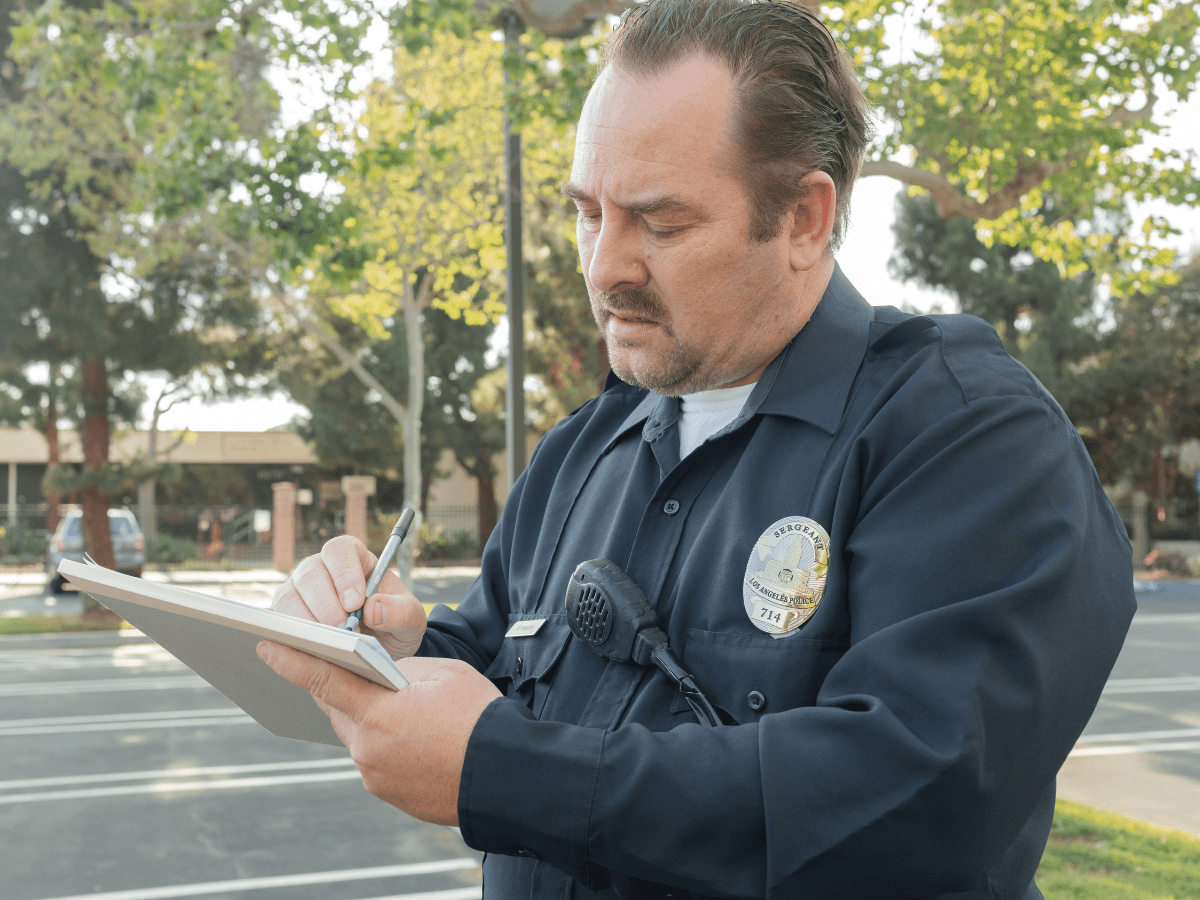
A police report can look definitive on paper, but it is still created from information gathered during a fast-moving, often confusing situation.
Incorrect vehicle details, mistaken locations, incomplete witness information, or inaccurate descriptions of how a collision occurred can sometimes make their way into the record.
Understanding common police report errors after a Georgia car accident matters because insurers, attorneys, and others may review the report when evaluating what happened.
Spotting a mistake early gives you an opportunity to gather supporting evidence and determine what steps may be available to address inaccurate information.
If something in your accident report doesn’t match what you remember or the evidence you have, knowing which details to check and how corrections are typically handled can help you protect the accuracy of the record as an insurance claim or legal matter moves forward.
Common Police Report Errors to Check After a Georgia Crash
What Errors Commonly Appear on Georgia Accident Reports?
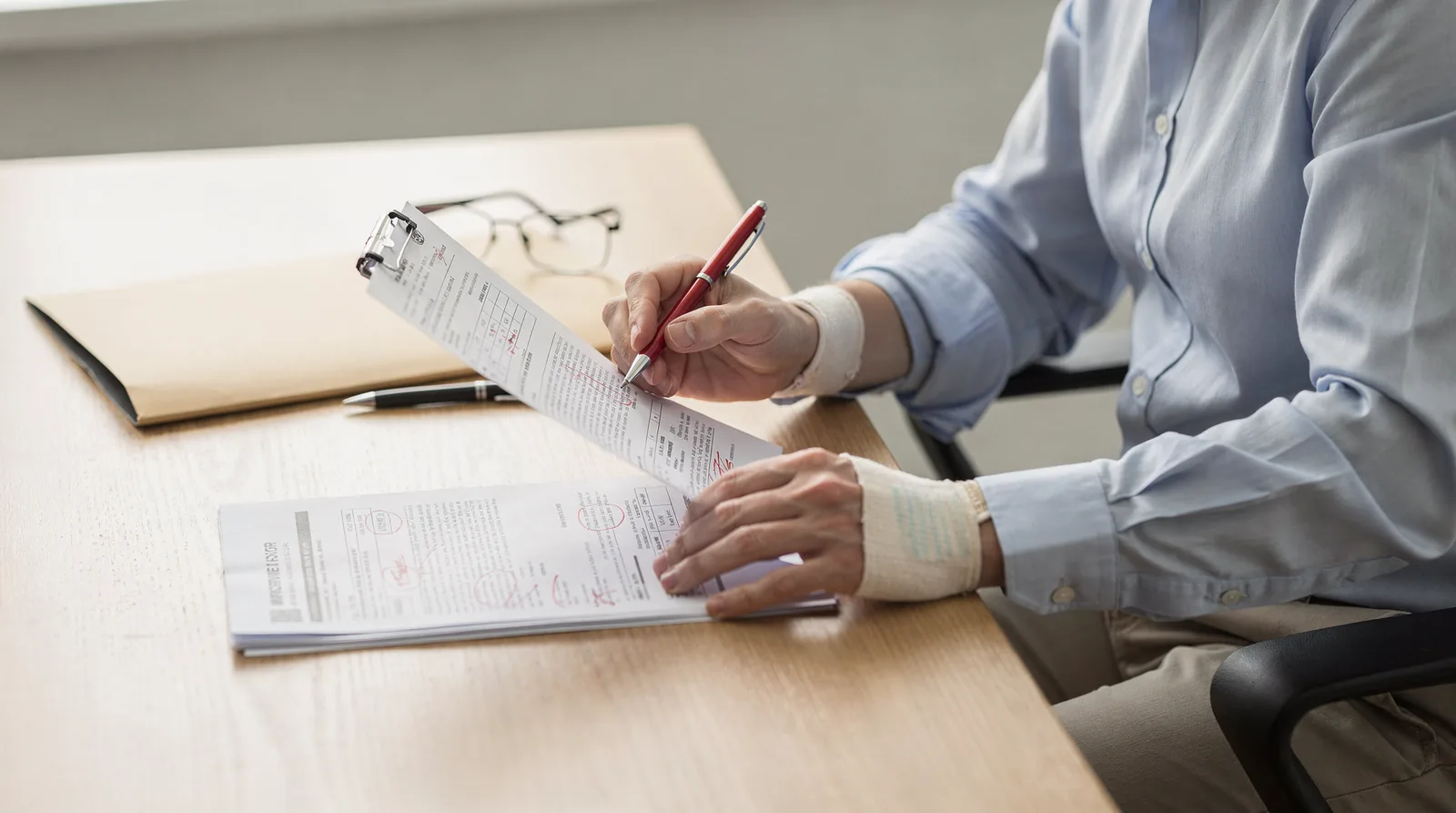
A crash report can contain mistakes even when the responding officer handled the scene carefully. Officers often arrive after the collision has already happened and must piece together events using driver statements, witness accounts, vehicle positions, visible damage, road conditions, and other information available at the scene.
Some police report errors are simple clerical problems. Others are more significant because they affect how the collision appears to have happened. Anyone involved in a Georgia crash should obtain a copy of the report and compare it with their own records while the details are still relatively fresh.
Check Names, Vehicles, and Insurance Information First
Start with information that can be verified objectively. Names may be misspelled, addresses or phone numbers may be entered incorrectly, and license plate or vehicle information can contain transcription errors.
Review details such as:
- Driver and passenger names
- Contact information
- Vehicle make, model, year, and license plate
- Insurance information
- Crash date, time, and location
- Witness names and contact details
A minor typo may have little practical effect, but an incorrect vehicle, driver, or insurance detail can create confusion when records are exchanged with an insurer or attorney.
Compare the Crash Diagram With What Actually Happened
Georgia accident reports may include a diagram or coded information showing where vehicles traveled, collided, or came to rest. This portion deserves more attention than many drivers give it.
Look for incorrect lane assignments, directions of travel, intersection positions, traffic-control devices, or points of impact. If the report places a vehicle in the wrong lane or shows a turn that never occurred, that mistake can make the accident appear materially different from the event you remember.
Photos taken at the scene can be particularly useful when reviewing these details. Damage patterns, lane markings, debris, skid marks, signs, and final vehicle positions may support or contradict portions of the diagram.
Separate Recorded Statements From the Officer’s Conclusions
Not every sentence in a crash report represents something the officer personally observed. Portions may summarize what one driver, another driver, or a witness said at the scene.
That distinction is important when reviewing police report errors. A disputed statement from another driver is different from an incorrect factual entry such as the wrong license plate number. Likewise, an officer’s interpretation of how a collision occurred may be based on limited information available at the time.
Drivers should therefore read the narrative carefully and identify where the report differs from photographs, video, witness accounts, or other evidence rather than assuming that every disagreement can be handled like a clerical correction.
Look for Missing Information, Not Just Incorrect Information
An accident report can also be incomplete. A witness may be omitted, a passenger may not appear, or relevant road and weather conditions may not be documented. The report may also lack information about photographs, citations, vehicle damage, or statements that a driver remembers providing.
Missing information does not automatically make the report inaccurate as a whole. Police reports have a specific purpose and cannot contain every fact that might later matter to an insurance or injury claim.
That is one reason documenting the scene independently remains important. Taking photographs, preserving dashcam footage, keeping witness information, and following appropriate steps after a Georgia car accident can provide evidence beyond what appears in the initial report.
What Should You Do if You Find an Error?
Do not alter the report yourself or simply assume the insurance company will recognize the problem. Contact the law enforcement agency that prepared the report and ask about its procedure for requesting a correction, supplemental report, or addition.
The process may depend on the agency and the type of mistake. Straightforward factual errors may be easier to address than disagreements about an officer’s conclusion or another person’s statement.
Keep copies of documents supporting the requested change, such as photographs, registration information, witness details, or other records. If the agency does not change a disputed portion, that does not necessarily prevent other evidence from being used to challenge it during an insurance claim or lawsuit.
How Can Police Report Errors Affect an Insurance Claim?
Insurance adjusters may review the police report when investigating how a collision occurred, but it is not the only evidence available. They can also consider driver and witness statements, photographs, medical records, vehicle damage, video footage, citations, and other documentation when evaluating a claim.
That distinction matters when a report contains an error involving lane position, direction of travel, a witness, or another fact related to liability. Understanding how insurers evaluate personal injury claims makes it easier to see why inconsistencies between the report and other evidence deserve attention.
Police report errors should be addressed promptly, but they should also be kept in perspective. The goal is not simply to make the report match one driver’s version of events.
It is to identify objectively incorrect information, preserve stronger evidence where facts are disputed, and make sure an inaccurate entry does not go unexamined as the claim develops.
How Do Police Report Errors Affect Your Injury Claim?
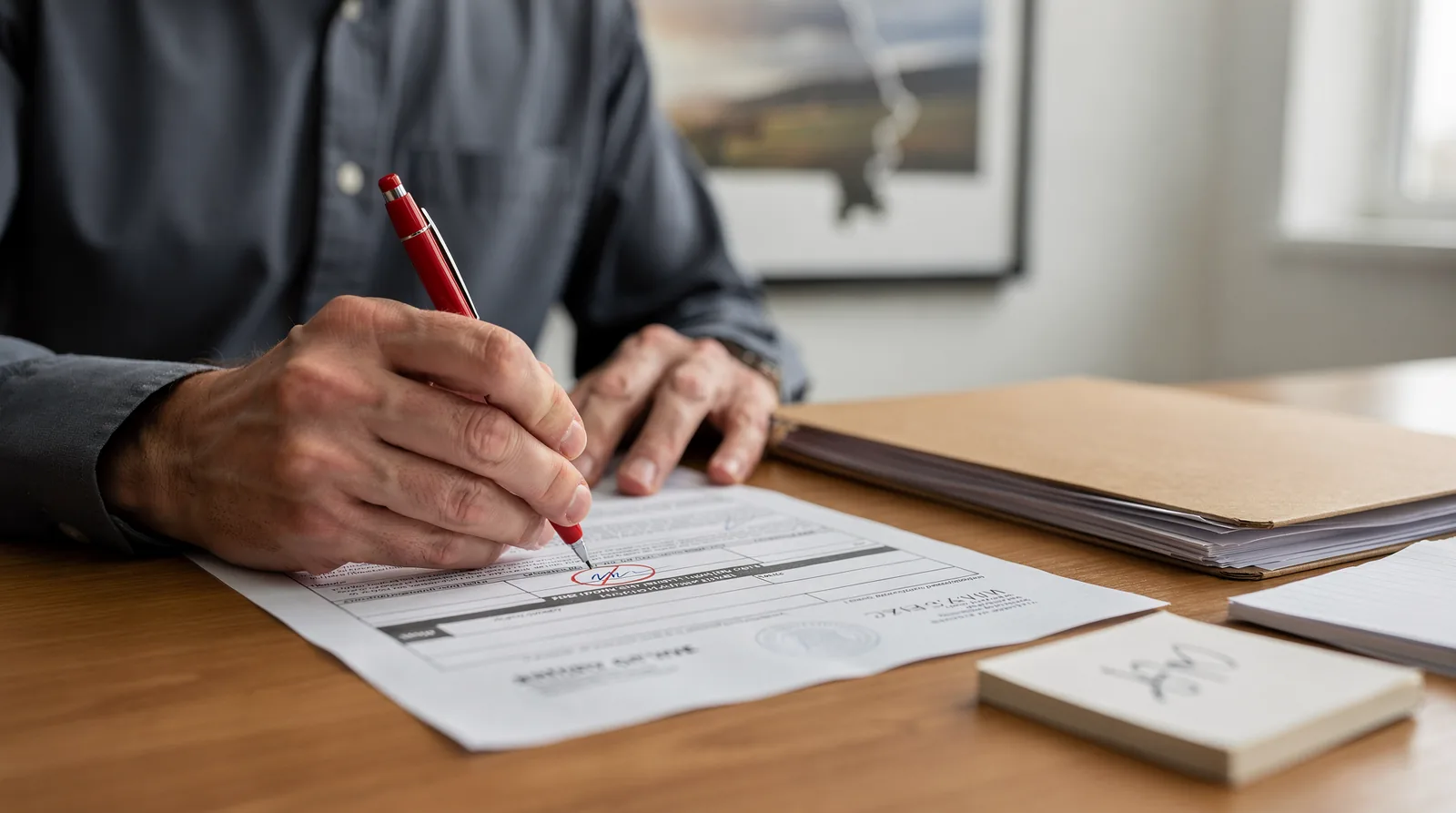
Police report errors can complicate a Georgia injury claim, but an inaccurate report does not automatically determine who was at fault or whether an injured person can recover compensation. A crash report is one piece of the larger evidence record, and the significance of an error depends heavily on what is wrong.
A misspelled street name is very different from an incorrect lane assignment, omitted witness, or description suggesting that the wrong driver caused the collision.
The practical question is not simply whether the report contains a mistake, but whether that mistake could affect how an insurer, attorney, or other decision-maker understands the crash.
Do Minor Clerical Errors Affect a Claim?
Small factual mistakes are usually less significant than errors involving liability, but they are still worth addressing. An incorrect name, address, phone number, insurance carrier, vehicle description, or license plate can create unnecessary confusion when an adjuster tries to match the report with other records.
These errors may also slow communication or make documents appear inconsistent when they actually concern the same person or vehicle. Correcting an objective mistake early helps keep the claim file clear and reduces the chance that a simple transcription problem becomes a distraction later.
Keep documentation that verifies the correct information, such as a driver’s license, registration, insurance card, photographs, or other records. The law enforcement agency that prepared the report can explain its procedure for requesting a correction or supplement.
Which Report Errors Can Affect Liability?
Errors involving how the collision happened deserve closer attention. A report might list the wrong direction of travel, place a vehicle in the wrong lane, omit a traffic signal, incorrectly identify the point of impact, or leave out a witness who saw the crash.
Those police report errors can matter because insurers commonly investigate liability using multiple sources of information, including the crash report. If the report presents an inaccurate version of a material fact, an adjuster may initially evaluate the claim using that version unless other evidence identifies the discrepancy.
That does not make the officer’s conclusion final. Photographs, video, vehicle damage, witness testimony, electronic data, driver statements, and other evidence may provide a different or more complete picture of what occurred.
Is the Police Report Conclusive Evidence in Court?
No. A police report should not be treated as an automatic determination of civil liability. Georgia evidence law can allow certain factual observations and investigative findings contained in public records under specific circumstances, but not every statement within a police report is necessarily admissible for every purpose.
Statements attributed to drivers or witnesses and narrative conclusions can raise separate evidentiary issues. Georgia courts have distinguished between an officer’s own observations and other material contained in police reports.
That distinction becomes important if an insurance dispute eventually develops into litigation. The existence of an error does not necessarily ruin a case, just as the presence of a favorable statement in the report does not necessarily prove one.
What if the Officer’s Version Conflicts With Other Evidence?
Do not try to resolve a disputed factual conclusion by simply asking that the report be rewritten to match your recollection. Instead, preserve the evidence showing why the entry may be inaccurate.
For example, dashcam footage might establish the direction each vehicle was traveling. Photographs may show lane markings or impact locations. A witness may have information that was not included in the original report. Vehicle damage can sometimes provide additional context about how the collision occurred.
An attorney evaluating a disputed report can compare those materials against the officer’s observations and determine how the inconsistency should be addressed during the claim.
Hummel Trial Law states that its car accident investigations can include gathering evidence and dealing directly with insurers, but the strength of any individual claim still depends on its particular facts.
Can a Report Error Reduce Your Compensation?
Not by itself. Compensation in an injury claim depends on issues such as liability, the nature and extent of the injuries, medical expenses, lost income, future losses, and other damages supported by evidence.
A material report error can nevertheless create an additional dispute over liability. If an insurer interprets an incorrect diagram or narrative against the injured person, that issue may need to be addressed before meaningful settlement negotiations can move forward.
It is also important not to let a report dispute overshadow the evidence of injury. Medical records, treatment history, bills, employment records, and documentation of ongoing limitations help establish damages independently of what the crash report says.
What Should You Do After Finding an Error?
Compare the report with your photographs, witness information, insurance documents, vehicle records, and any video from the crash. Separate objective mistakes from disputed interpretations, then contact the reporting agency to ask what correction or supplemental-report procedure applies.
Most importantly, preserve the underlying evidence. Police report errors are easier to address when there is documentation showing exactly what is inaccurate rather than only a competing recollection of the collision.
An incorrect report can complicate an injury claim, but it does not replace the rest of the evidence. The stronger approach is to identify the discrepancy early, document why it matters, and evaluate the crash using the complete factual record rather than allowing one entry on the report to define the case.
How Do You Correct a Police Report in Georgia?
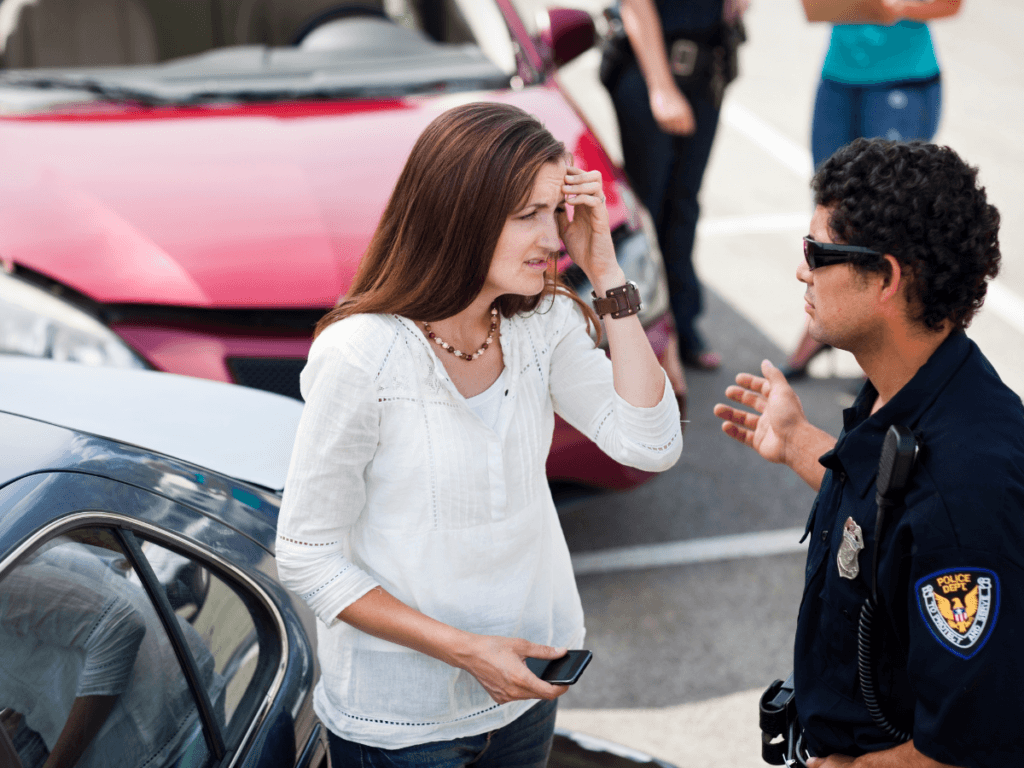
If you find an error in a Georgia accident report, start with the law enforcement agency that created it. The process is not necessarily the same for every police department, sheriff’s office, or Georgia State Patrol post, so the first step is to ask that agency how it handles corrections, amendments, or supplemental information.
Georgia State Patrol policy allows corrections or additions to reports to be submitted through the same channels as the original report once a change is determined to be necessary.
That does not mean every disagreement will result in the original report being rewritten. The type of police report errors you find will usually determine what happens next.
Get the Final Report and Review It Carefully
Before requesting any change, obtain a complete copy of the accident report and compare it with the information you already have.
Georgia State Patrol crash reports can be requested through a local State Patrol post or the Georgia Department of Public Safety’s records system. Reports prepared by other agencies may have different retrieval procedures.
Review more than the basic contact information. Check the vehicles involved, insurance details, date and location, direction of travel, lane positions, witness information, diagram, citations, and narrative.
Make a separate list of every questionable entry rather than simply telling the agency that the report is “wrong.” That makes it easier to distinguish an objective factual mistake from a disputed interpretation of the crash.
Separate Correctable Facts From Disputed Conclusions
Some police report errors are straightforward. A misspelled name, incorrect license plate, wrong insurance carrier, or inaccurate vehicle description can usually be verified with documents.
Other issues are more complicated. You may disagree with an officer’s diagram, narrative, or conclusion about how the collision occurred. You may also believe another driver’s statement recorded in the report is false.
Those are not necessarily clerical errors. The agency may decline to replace an officer’s investigative conclusion simply because one party disagrees with it. In that situation, the more important task may be preserving evidence that shows why the disputed information is incomplete or inaccurate.
Gather Evidence That Supports the Requested Correction
A correction request is stronger when it identifies a specific error and provides something objective that demonstrates the correct information.
Depending on the issue, useful documentation might include:
- Driver’s license or vehicle registration for identification errors
- Insurance documents for incorrect policy information
- Photographs showing vehicle positions, road signs, or damage
- Dashcam, surveillance, or traffic-camera footage
- Witness contact information or statements
- Documents confirming the correct date, location, or vehicle information
Keep copies of everything you submit. If you communicate by email or written correspondence, save those records as well so you have a clear history of what was requested and when.
Contact the Agency That Prepared the Report
Do not send a generic correction request to an unrelated state office simply because the crash occurred in Georgia. Start with the department listed on the accident report.
Ask whether the agency requires a written request, supporting documentation, contact with the investigating officer, or another procedure. If the Georgia State Patrol prepared the report, its own policy provides for corrections and additions through the reporting channels used for the original report.
There is also no universal rule that every request must be resolved within a particular number of days. Follow up if necessary, but avoid inventing an arbitrary deadline for the agency.
What if the Officer Will Not Change the Report?
A refusal to amend the report does not necessarily end the issue. If the disputed entry concerns how the collision happened, photographs, video, witness testimony, vehicle damage, and other evidence can still be used during the insurance investigation or litigation.
This is particularly important because insurers do not evaluate liability from the accident report alone. They may consider police documentation alongside witness statements, scene photographs, video footage, medical records, vehicle damage, and other evidence.
The goal is therefore not always to make every disputed sentence disappear from the report. Sometimes the stronger approach is to document why the statement is inaccurate and make sure the rest of the evidence presents a clearer account of the crash.
When Does Legal Help Make Sense?
Many simple police report errors can be addressed directly with the reporting agency. Legal guidance becomes more useful when the disputed information concerns fault, serious injuries are involved, the insurer is relying on an inaccurate entry to challenge liability, or the agency will not amend a material mistake.
An attorney can review the report against photographs, video, witness statements, medical documentation, and other evidence to determine whether pursuing a formal correction is the most useful step or whether the discrepancy is better addressed within the claim itself.
Acting promptly is still helpful because evidence becomes harder to collect as time passes. The important distinction is between correcting an objectively wrong fact and trying to rewrite a disputed version of events. Identifying which type of problem you have will usually determine the most sensible next step.
Frequently Asked Questions About Police Report Errors
Can a Police Report Be Changed After a Car Accident in Georgia?
Yes, police reports can sometimes be corrected or supplemented after they are filed. The process depends on the law enforcement agency that prepared the report and the type of mistake involved.
Straightforward factual errors, such as an incorrect name, vehicle description, or insurance detail, are generally easier to address than disagreements about how the officer interpreted the crash.
If you find police report errors, contact the agency listed on the report and ask about its correction or supplemental-report procedure.
What Should I Do if the Police Report Says I Caused the Accident?
Do not assume the report automatically decides liability. A police report may influence an insurance investigation, but insurers and courts can also consider photographs, video, witness statements, vehicle damage, medical records, and other evidence.
If you believe the report contains an inaccurate description of the crash, preserve any evidence that supports your version of events.
A disputed fault conclusion may not be handled the same way as a simple clerical correction, so the focus may be on challenging the inaccurate information with stronger evidence rather than rewriting the report itself.
How Soon Should I Check My Accident Report for Errors?
Review the report as soon as it becomes available. Early review makes it easier to compare the document with your photographs, witness information, insurance records, and memory of the crash while those details are still fresh.
Acting promptly also gives you more time to locate missing evidence or contact witnesses before information becomes harder to recover.
What Are the Most Common Police Report Errors?
Common mistakes include misspelled names, incorrect addresses, wrong insurance information, inaccurate vehicle details, omitted witnesses, incorrect crash locations, and errors in diagrams or directions of travel.
Some mistakes are minor administrative issues. Others can matter more if they affect how an insurer understands who was driving where, how the collision occurred, or whether another person witnessed it.
Can I Correct a Police Report Myself?
You cannot simply edit the official report yourself. You can, however, contact the law enforcement agency that prepared it and request a correction, amendment, or supplemental report.
Be specific about what is wrong and provide documentation when possible. Vehicle registration, insurance records, photographs, video footage, and witness information may help support a requested correction.
What if the Police Department Refuses to Correct the Report?
A refusal to change the report does not necessarily prevent you from disputing inaccurate information later. Other evidence can still be used during an insurance claim or lawsuit to show that part of the report is incomplete or incorrect.
This is especially important when the disagreement concerns the officer’s interpretation rather than an objectively verifiable fact. In those situations, the strength of the surrounding evidence may matter more than whether the original report is formally changed.
Do Insurance Companies Have to Follow the Police Report?
No. An insurance company may consider the police report, but it is not required to treat every statement in it as conclusive. Adjusters can review additional evidence, including photographs, witness accounts, video, medical documentation, and vehicle damage.
Police report errors can still complicate a claim, particularly when they concern fault, so inaccurate information should be addressed rather than ignored.
Can Police Report Errors Affect My Injury Compensation?
Potentially. An error that creates confusion about how the crash occurred may contribute to a liability dispute or delay the claim. An incorrect entry about a driver, vehicle, witness, or collision detail can also create inconsistencies that need to be explained.
The effect depends on the specific mistake and the other evidence available. A report error does not automatically reduce compensation, but material inaccuracies should be reviewed carefully.
When Should I Talk to a Lawyer About an Incorrect Police Report?
Legal guidance may be useful when the report contains a significant error involving fault, the insurer is using the report to challenge your claim, serious injuries are involved, or the reporting agency will not correct a material mistake.
An attorney can compare the report with the rest of the available evidence and determine whether requesting a formal correction, submitting additional documentation, or challenging the report within the claim is the better approach.
Conclusion
Police reports can contain important information after a Georgia car accident, but mistakes involving driver details, witness statements, vehicle information, diagrams, or descriptions of how the crash occurred can complicate an insurance claim or legal case.
Reviewing the report carefully and gathering supporting evidence can help identify inaccuracies and preserve a clearer record of what happened. If an error could affect your claim, legal guidance can help you understand your options and determine the appropriate next steps.
For experienced representation after a Georgia car accident, choose Hummel Trial Law. If you have questions about errors in your police report or how they may affect your case, call 404-689-0104 to speak with the team at Hummel Trial Law or schedule your free consultation today.