
An assault or other violent incident at a nightclub does not automatically mean the business is legally responsible.
When questions about inadequate security arise, the circumstances surrounding the incident matter, including what risks may have been foreseeable and whether reasonable steps were taken to keep lawful visitors safe.
A nightclub negligent security Georgia claim may involve factors such as prior criminal activity, inadequate lighting, insufficient security measures, ignored warning signs, or failures in how known risks were addressed.
Georgia premises liability law can play an important role in determining whether a property owner or operator may bear responsibility. Understanding what must be examined can help injured patrons distinguish between an unpredictable criminal act and an incident in which alleged security failures may become legally significant.
Nightclub Negligent Security Georgia: What Are Your Legal Rights?
Can You Sue a Bar or Nightclub for Inadequate Security?
A person injured in a shooting, assault, or other violent incident at a Georgia bar or nightclub may have a civil claim against the property owner or occupier in some circumstances. The fact that violence occurred on the premises, however, does not automatically make the venue legally responsible.
For incidents arising on or after April 21, 2025, Georgia has a specific negligent-security statute that sets out what an injured invitee must prove.
A nightclub negligent security Georgia claim can involve questions about foreseeability, known conditions on the property, prior criminal activity, security measures, and whether the venue’s failure to exercise ordinary care contributed to the injury.
When Can a Nightclub Be Responsible for an Assault?
Under Georgia’s current negligent-security law, an invitee generally must prove several connected elements rather than simply show that security could have been better.
Among other requirements, the wrongful conduct must have been reasonably foreseeable. That can involve a particular warning of imminent danger or qualifying prior substantially similar incidents that the owner or occupier knew about.
The law also looks at whether a known physical condition of the premises created a greater foreseeable risk of wrongful conduct and whether the owner failed to exercise ordinary care to address that condition.
That means a claim may turn on evidence such as prior incidents, management reports, police calls, security records, surveillance footage, physical conditions at the property, and what management knew before the attack.
The current statute does not require owners to provide extraordinary protection or assume the role of law enforcement. Courts evaluating ordinary care may consider the security measures already in place, whether additional measures were practical, and whether different precautions could have prevented the injury.
What Does Foreseeability Mean in a Nightclub Security Case?
Foreseeability is more specific than saying that bars can sometimes become violent. For current Georgia negligent-security claims involving invitees, the statute identifies circumstances that may establish foreseeability, including a particularized warning of imminent wrongful conduct and certain prior substantially similar incidents known to the owner or occupier.
Those prior events may include qualifying conduct on the premises and, in some circumstances, adjoining property or locations within 500 yards. The details matter, including how similar the previous conduct was and what the venue actually knew.
This is why investigating a negligent security claim often requires more than reviewing the police report from the night of the assault. Earlier incident reports, surveillance records, crime information, internal communications, and the layout of the premises may all become relevant.
What Security Failures May Matter?
There is no universal checklist of security measures every nightclub must use. What is reasonable depends on the circumstances.
Potentially relevant issues may include:
- Broken or ineffective locks, gates, or access controls
- Poorly monitored entrances or exits
- Known dangerous areas of the property
- Security staffing and deployment
- How management responded to an escalating threat
- Prior substantially similar violent incidents
- Surveillance systems and available footage
- Conditions that may have made criminal conduct easier to carry out
The presence of one of these issues does not automatically establish liability. The injured person still has to connect the relevant security failure to the statutory requirements and ultimately to the harm that occurred.
Can a Bar Be Liable for a Fight Between Patrons?
Potentially, but not simply because two patrons fought. A nightclub negligent security Georgia case involving a fight may depend on what happened before the violence began.
For example, evidence that staff received a specific warning about an imminent threat may be different from a sudden confrontation that no one had reason to anticipate.
The identity of the person who caused the injury can matter as well. A civil assault injury claim may involve potential responsibility on the part of the attacker, the property owner, or other parties depending on the facts.
Criminal prosecution and civil liability are separate issues. A person may explore civil remedies even if the attacker is never convicted, although proving a claim against the venue still requires satisfying the applicable civil-law requirements.
What Responsibility Do Bouncers and Security Personnel Have?
The answer depends partly on who employs them and what role they agreed to perform.
Georgia law specifically addresses security contractors. If a security contractor undertakes a duty to keep all or part of a property safe from third-party wrongful conduct, the contractor may face negligent-security liability subject to the same statutory framework and limitations that apply to the owner or occupier.
That does not mean every mistake by a bouncer creates a negligent-security claim. A nightclub employee who personally uses excessive force, for example, can raise different legal questions from a third-party assault that security allegedly failed to prevent.
Determining who employed the security personnel, what duties they assumed, what they knew, and what actions they took can therefore be an important part of the investigation.
What Evidence Can Help Establish a Negligent-Security Claim?
These cases are often evidence-intensive because the central questions concern what the venue knew and what precautions were reasonable before the incident.
Useful evidence may include police reports, surveillance video, witness statements, prior incident records, security logs, staffing records, photographs of the property, and communications concerning threats or previous violence.
Evidence can disappear quickly. Surveillance footage may be overwritten, employees and witnesses may become difficult to locate, and physical conditions at the property can change.
For that reason, anyone investigating potential nightclub liability should focus early on preserving evidence rather than assuming the existence of an assault is enough to establish the claim.
A viable nightclub negligent security Georgia case ultimately depends on the specific facts. The central question is not simply whether a bar or nightclub could have provided more security, but whether the applicable Georgia legal requirements for foreseeability, ordinary care, causation, and premises conditions can be established.
What Security Measures Can Georgia Bars and Nightclubs Be Expected to Take?
Bars and nightclubs do not automatically owe patrons a heightened level of protection simply because alcohol is served, crowds are large, or the venue stays open late. Under Georgia’s current negligent-security law, owners and occupiers are generally judged by whether they exercised ordinary care under the circumstances.
For a nightclub negligent security Georgia claim, that means the question is not whether the venue could have done more in hindsight.
The more useful question is whether the security measures in place were reasonable given the risks the venue actually knew about and whether different practical measures could have prevented the injury.
What Does “Reasonable Security” Mean at a Nightclub?
There is no single security checklist that every Georgia nightclub must follow.
Under O.C.G.A. § 51-3-55, a court or jury evaluating negligent security may consider the measures already in place, whether additional precautions were needed, how practical those precautions would have been, whether they could have prevented the injury, and other relevant circumstances.
The statute also makes clear that owners are not expected to provide extraordinary protection or assume the role of police. Depending on the facts, potentially relevant security measures might include:
- Monitoring entrances and exits
- Responding to known threats or escalating confrontations
- Maintaining locks, gates, lighting, and other physical security features
- Positioning security personnel where known risks exist
- Preserving and reviewing surveillance footage
- Establishing procedures for removing disruptive patrons
- Contacting law enforcement when a credible imminent threat becomes known
The existence or absence of any one measure does not automatically determine liability. The surrounding circumstances matter.
Does a Busy or Late-Night Venue Automatically Need More Security?
Not automatically. A crowded nightclub may face different practical security concerns from a quiet restaurant, but Georgia law does not impose liability simply because a venue serves alcohol, operates late, or attracts large crowds.
The current statutory framework focuses more specifically on foreseeability, known premises conditions, prior substantially similar wrongful conduct, and particularized warnings of imminent danger.
That means evidence of prior incidents can matter, but not every previous fight or police call automatically establishes that a later assault was foreseeable. The similarity, seriousness, timing, location, and circumstances of earlier incidents may all become important.
What Responsibility Do Bouncers and Doormen Have?
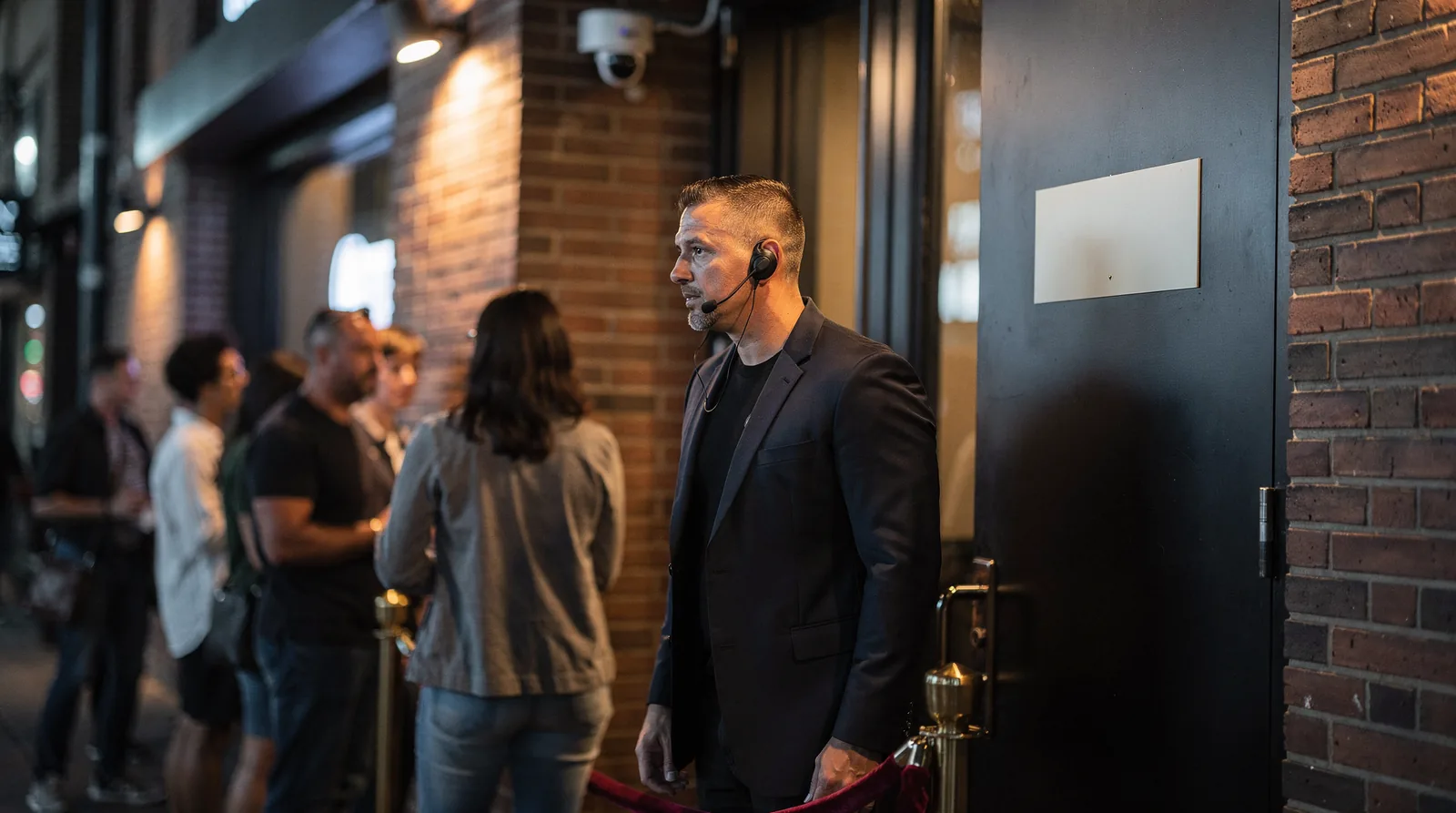
A bouncer does not become legally responsible for every altercation simply because the person was hired to provide security.
If a venue employs or contracts with security personnel, investigators may examine what duties those individuals were assigned, what they observed, whether they received a specific warning, and how they responded when danger became apparent.
Georgia’s negligent-security statute also addresses security contractors that undertake responsibility for protecting all or part of a property. Their potential liability is evaluated within the same statutory negligent-security framework rather than under a blanket rule requiring them to prevent every act of violence.
Different legal issues may arise when a bouncer personally causes the injury, such as through allegedly excessive force. That is not necessarily the same claim as alleging that security failed to prevent violence by another patron.
What Warning Signs May Matter Before an Assault?
The moments before an incident can be important. Evidence may show that staff observed an escalating argument, were told that someone had made a specific threat, removed a person who later returned, or became aware of another circumstance suggesting imminent violence.
A particularized warning can be especially significant under Georgia’s current negligent-security statute because the law specifically recognizes certain credible, specific warnings of imminent wrongful conduct when evaluating foreseeability.
The analysis remains fact-specific. General concern that “something might happen” is different from information identifying a particular person, threat, place, or immediate danger.
What Should an Injured Patron Do After a Nightclub Assault?
Medical care comes first, particularly after a shooting, stabbing, head injury, or physical assault. Once immediate medical needs are addressed, evidence preservation can become important. If possible, an injured patron or family member should preserve:
- Photos or videos from the scene
- Names and contact information for witnesses
- Police report information
- Clothing or damaged personal property
- Receipts and medical records
- Details about where security personnel were positioned
- Notes about threats, arguments, or staff interactions before the incident
Surveillance footage may be especially important because video systems can overwrite recordings. Nearby businesses, parking facilities, and witnesses may also possess useful footage.
People injured through criminal conduct may have potential claims involving more than the individual attacker. Depending on the facts, a crime victim claim may also involve a property owner, occupier, security contractor, or another party whose conduct contributed to the injury.
How Do Medical Bills and Lost Income Fit Into the Claim?
If negligent security is established, damages may include losses resulting from the injury, such as medical expenses, lost income, reduced earning capacity, and noneconomic harm.
The exact damages available depend on the injuries and evidence. Serious assaults may require emergency treatment, surgery, rehabilitation, counseling, or extended time away from work, while other cases may involve a shorter recovery.
It is better to document those losses as they develop than to assume their value at the beginning of the case. A nightclub negligent security Georgia claim ultimately depends on more than showing that an assault happened inside or near a venue.
The central issues are what risks were reasonably foreseeable, what the property owner or security provider knew, what practical precautions were available, and whether a failure to exercise ordinary care contributed to the injury.
What Should You Do After a Bar or Nightclub Assault?
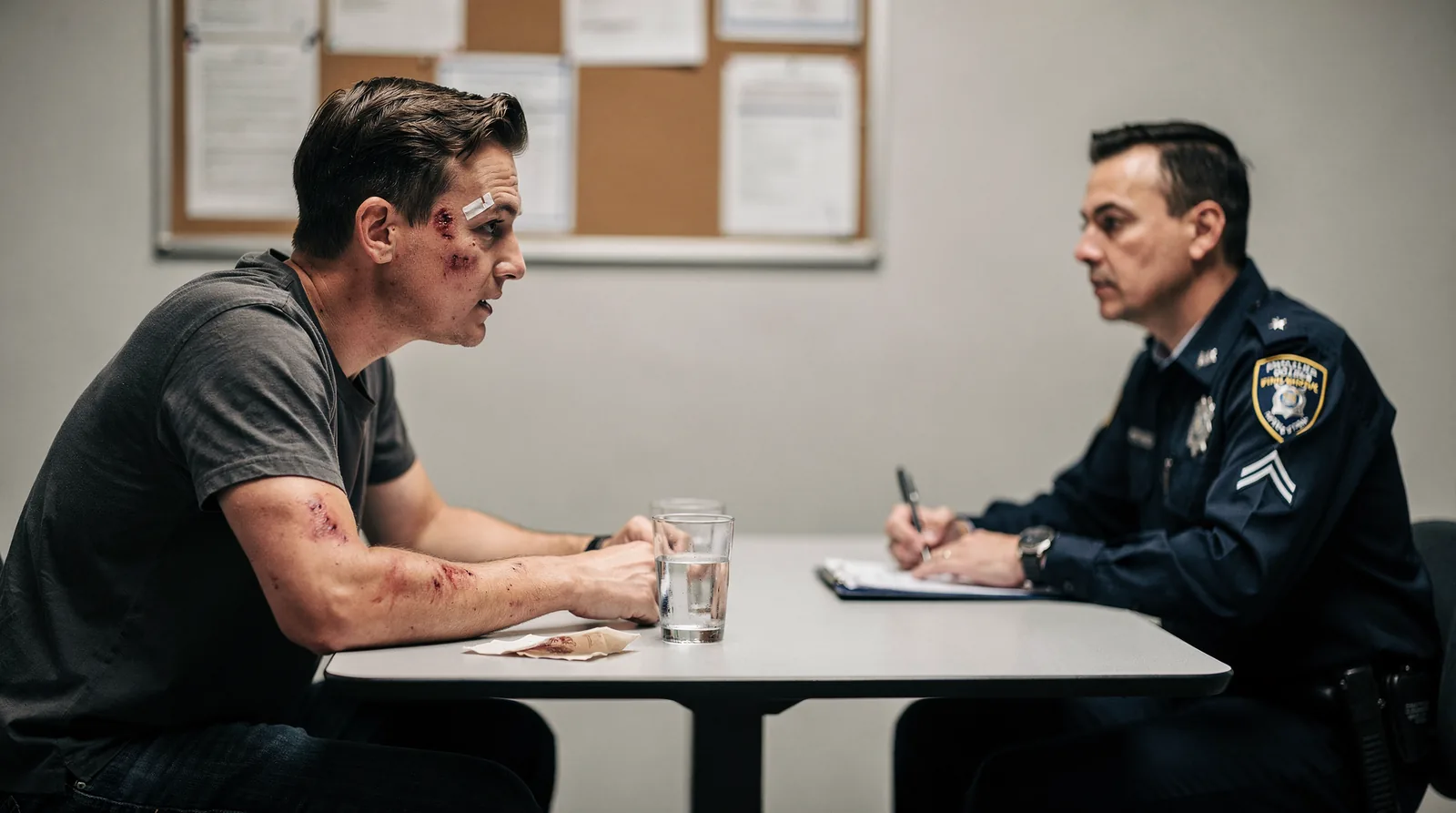
After an assault at a bar or nightclub, the first priorities are medical care and personal safety. Once those immediate needs are addressed, preserving evidence can become especially important because surveillance footage may be overwritten, witnesses may become difficult to locate, and conditions at the venue can change.
A potential nightclub negligent security Georgia claim may depend not only on proving that an assault occurred, but also on establishing what the venue knew, what security measures were in place, and whether a failure to exercise ordinary care contributed to the injury. That makes early documentation particularly valuable.
Seek Medical Care and Follow Through With Treatment
Do not delay appropriate medical attention because an injury appears minor at first. Assaults can cause concussions, fractures, internal injuries, lacerations, soft-tissue injuries, and other conditions that may not be fully apparent immediately. If emergency care is necessary, prioritize it over collecting evidence at the scene.
Keep copies of discharge instructions, diagnostic results, referrals, prescriptions, bills, and follow-up appointments. If a doctor places restrictions on work or physical activity, preserve those instructions as well.
Medical records can help document both the nature of the injuries and how they developed after the incident.
Report the Assault and Preserve Basic Details
If police are called, obtain the responding agency’s information and ask how to request the report later.
If the venue creates its own incident report, ask whether you can obtain a copy or at least record the name and position of the employee who took the report. Do not rely on venue management to preserve every detail for you.
As soon as you are able, write down what you remember, including:
- Where the assault occurred
- Approximate time of the incident
- What happened immediately beforehand
- Whether staff or security personnel were nearby
- Any threats or escalating confrontation you observed
- Whether anyone warned staff before the incident
- What security personnel did before, during, and after the assault
- Names or descriptions of people involved
Keep the account factual. If you are uncertain about a detail, note the uncertainty rather than trying to reconstruct it later.
Identify Surveillance Cameras and Other Video Sources
Video evidence can be particularly important in a nightclub negligent security Georgia case. Note where surveillance cameras were located inside and outside the venue.
Cameras covering entrances, exits, bars, dance floors, hallways, parking areas, and nearby businesses may have captured different portions of the incident.
Patrons may also have cellphone footage, and rideshare vehicles, neighboring businesses, parking facilities, or street-facing cameras may have recorded events before or after the assault.
You do not need to personally obtain every recording at the scene. The immediate goal is to identify potential sources before they are forgotten or footage is routinely overwritten.
Get Witness Information Before People Become Difficult to Find
Nightclub incidents often occur in crowded environments where many people leave shortly afterward. If someone witnessed the assault, an argument leading up to it, a warning given to security, or the response by venue staff, ask for the person’s name and contact information if it is safe to do so.
A witness does not need to have seen the entire incident to possess useful information. Someone may have observed the attacker being removed earlier, heard a threat, seen staff ignore an escalating confrontation, or noticed security conditions elsewhere on the property.
Avoid coaching witnesses or asking them to agree with your interpretation of what happened.
Photograph Injuries and Relevant Physical Evidence
Photograph visible injuries as soon as reasonably possible and continue documenting changes such as bruising, swelling, stitches, scarring, or mobility limitations over the following days.
If clothing was torn, bloodied, or otherwise damaged during the assault, preserve it rather than washing or discarding it immediately.
Photos of the venue may also be useful when safely available, particularly if the claim involves lighting, entrances, exits, broken gates, damaged locks, barriers, or another physical condition that may have contributed to the incident.
Be Careful With Detailed Statements After the Incident
Venue representatives, insurers, investigators, or other parties may contact you after an assault.
Provide truthful information when required, but do not guess about facts you do not remember or minimize injuries before you know their full extent. Be particularly careful with requests for recorded statements, broad medical authorizations, releases, or settlement documents.
A statement made shortly after a traumatic event can later be compared with medical records, surveillance footage, witness accounts, and other evidence.
Keep Track of the Financial Impact
Damages in a negligent-security case are not determined by a fixed formula. Depending on the circumstances, a claim may involve medical expenses, future treatment, counseling, lost wages, diminished earning capacity, pain and suffering, emotional harm, disability, or other losses resulting from the assault.
Start keeping records early. Save medical bills, pharmacy receipts, wage statements, employer correspondence, transportation expenses, and documentation of other costs connected to the injury.
If the assault affects your ability to work or complete normal activities, keep factual notes about those limitations rather than trying to assign a dollar value yourself.
How Much Is a Negligent Security Claim Worth?
There is no reliable average settlement amount for a nightclub assault claim.
Case value depends on factors such as the seriousness and duration of the injuries, medical treatment, lost income, long-term limitations, available insurance, the strength of the liability evidence, and how fault is allocated.
Georgia’s current negligent-security law also requires specific proof regarding foreseeability, premises conditions, ordinary care, causation, and other elements. For incidents arising under the 2025 statutory framework, liability cannot be assumed merely because violent conduct occurred on the property.
Any estimate made before those facts are investigated should therefore be treated cautiously.
When Should You Consider Speaking With a Lawyer?
Legal advice may be worth considering when the injuries are serious, the attacker is unknown or uninsured, the venue disputes what happened, surveillance footage may need to be preserved, or there are questions about whether the property owner or a security contractor may share responsibility.
The sooner evidence preservation becomes an issue, the more useful early legal guidance can be. That does not mean every injured patron must immediately file a lawsuit, and consulting a lawyer does not commit someone to litigation.
For a nightclub negligent security Georgia claim, the early legal work may involve identifying potential defendants, preserving video and records, examining prior incidents, reviewing security arrangements, and determining whether the current Georgia statutory requirements can be satisfied.
The strongest next step after a nightclub assault is therefore not simply “call a lawyer immediately.” It is to protect your health, document what happened, preserve the evidence that may disappear, and get qualified advice when the circumstances are serious or legally unclear.
Who Can Be Held Responsible in a Nightclub Negligent Security Case?

A nightclub assault may involve more than one potentially responsible party. The company operating the club may lease rather than own the building, an outside contractor may provide security, and the person who committed the assault remains separate from any claim alleging that the premises were inadequately secured.
Identifying those relationships is an important part of a nightclub negligent security Georgia case because responsibility does not automatically fall on whichever business name appears above the door.
Georgia’s current negligent-security law defines an “owner or occupier” broadly enough to include a person or entity that owns, leases, occupies, operates, maintains, or manages the property.
The Nightclub Operator May Be Responsible
The business operating the nightclub is often one of the first parties examined after an assault. An operator may control staffing, admission procedures, crowd management, security policies, surveillance systems, and the response to disturbances inside the venue.
Investigators may look at what the operator knew before the incident, what physical conditions existed on the property, and what security measures were actually being used.
Operating the club does not automatically create liability. For a negligent-security claim involving an invitee, the injured person must still satisfy Georgia’s statutory requirements concerning foreseeability, premises conditions, ordinary care, causation, and other elements.
The Property Owner May Be a Different Party
The nightclub operator and property owner are not always the same entity. A club may lease space from a commercial landlord, and a lease can divide responsibility for different parts of the property.
The tenant might control the interior while another party maintains parking areas, exterior lighting, common entrances, or other shared spaces.
That distinction can matter when an assault occurs outside the club itself. Investigating who owned, occupied, operated, maintained, or managed the particular area where the incident happened can help determine which parties fall within Georgia’s negligent-security framework.
The location also matters because Georgia’s statute places limits on negligent-security liability for injuries occurring outside premises controlled by the owner or occupier.
A Security Company May Have Separate Responsibility
Many nightlife venues use an outside company rather than employing every security worker directly.
Georgia law specifically addresses security contractors. If a contractor undertakes a duty to protect invitees or licensees from wrongful conduct by third parties, it may potentially face negligent-security liability under the same statutory framework and limitations that apply to owners and occupiers.
That makes the security arrangement itself relevant. Questions may include:
- Who employed the guards or bouncers?
- What areas were they hired to monitor?
- What duties did the security contract assign?
- Who controlled staffing levels and placement?
- Who received reports of threats or previous incidents?
- Were security responsibilities shared between the venue and contractor?
The existence of a security company does not necessarily transfer all responsibility away from the nightclub, nor does hiring security automatically establish that reasonable care was exercised.
Individual Employees Can Raise Different Legal Issues
The conduct of bartenders, managers, bouncers, and other employees may also become relevant, but not every employee mistake creates a separate negligent-security claim.
For example, allegations that security personnel failed to respond to a threat involve different questions from allegations that a bouncer personally assaulted or used excessive force against a patron.
Those circumstances may involve different legal theories, defendants, and evidence. The distinction matters because Georgia’s negligent-security statute is specifically concerned with failures to keep premises safe from wrongful conduct by third persons.
The Attacker May Also Be Legally Responsible
A negligent-security case does not erase the responsibility of the person who committed the assault.
The attacker may face criminal prosecution and may also potentially face civil liability for the injuries caused. A civil claim against a property-related defendant addresses a different question: whether another party’s legally actionable failure to provide reasonable security contributed to the circumstances in which the attack occurred.
Georgia’s current statute expressly requires fault to be apportioned among relevant parties in negligent-security cases, including an owner or occupier and a third person whose wrongful conduct caused the injury.
What if Several Companies Appear to Control the Property?
Commercial nightlife properties can involve complicated ownership and management structures. There may be a building owner, nightclub operator, property-management company, parking contractor, and separate security provider.
Business names displayed to customers may not reveal which legal entity actually controls each part of the property. Contracts, leases, management agreements, employment records, security contracts, and corporate records can help clarify those relationships.
Why Identifying the Correct Parties Matters
Naming the right parties is more than a procedural detail. Different entities may have controlled different security decisions, possessed different information about previous incidents, employed different personnel, or maintained different portions of the property. Their insurance coverage and available evidence may also differ.
For a nightclub negligent security Georgia claim, the key question is therefore not simply, “Can the nightclub be sued?” It is which people or entities had legally relevant control or security responsibilities, what each knew, what each was expected to do under Georgia law, and how their conduct relates to the injury.
Frequently Asked Questions About Nightclub Negligent Security in Georgia

Can You Sue a Bar or Nightclub for Inadequate Security in Georgia?
Potentially. A person injured by third-party criminal conduct at a bar or nightclub may have a negligent-security claim against an owner, operator, or other responsible party if the legal requirements can be established.
For claims governed by Georgia’s current negligent-security statute, an injured invitee generally must prove more than the fact that an assault occurred.
The case can involve foreseeability, a specific known physical condition of the property, whether the venue exercised ordinary care, and whether the alleged security failure contributed to the injury. A nightclub negligent security Georgia claim therefore depends heavily on the circumstances surrounding the incident.
Does a Nightclub Have to Prevent Every Fight or Assault?
No. A nightclub is not an insurer of every patron’s safety, and Georgia law does not require property owners to provide extraordinary protection against criminal acts.
The relevant question is whether the owner or occupier exercised ordinary care under the circumstances. Courts may consider the security measures already in place, whether additional precautions were practical, and whether those precautions could have prevented the injury.
A sudden, unforeseeable assault presents a different legal issue from violence preceded by known threats or qualifying prior incidents.
What Makes an Assault Foreseeable?
Georgia’s current statute provides specific ways foreseeability may be established for an invitee.
These can include a credible, particularized warning of imminent wrongful conduct or qualifying prior occurrences of substantially similar conduct that the owner or occupier knew about. Certain substantially similar incidents on adjoining property or within 500 yards may also be relevant under the statute.
General knowledge that fights sometimes occur at bars is not necessarily enough. The details of previous incidents, threats, location, timing, and what the venue actually knew can matter.
Can a Bar Be Responsible for a Fight Between Customers?
Possibly, but liability does not arise simply because patrons fought on the property. The investigation may focus on what happened before the violence began.
For example, staff may have received a specific warning, observed an escalating confrontation, or known about previous conduct involving the same person. The physical condition of the premises can also be important under Georgia’s current statutory framework.
Can a Security Company Be Held Liable Separately From the Nightclub?
Potentially. Georgia law separately recognizes security contractors that undertake responsibility for protective or security services on a property. Depending on the circumstances, a security contractor may face liability within the state’s negligent-security framework.
That makes it important to determine who employed the guards, what duties the security company agreed to perform, what parts of the property it covered, and which party controlled decisions such as staffing or deployment.
What Evidence Is Important After a Nightclub Assault?
Evidence that captures what happened before, during, and after the incident can be valuable. Potential evidence includes:
- Surveillance footage
- Cellphone videos
- Witness contact information
- Police and incident reports
- Photographs of injuries
- Photos of entrances, exits, lighting, locks, or other relevant property conditions
- Security logs
- Prior incident records
- Medical records
- Damaged clothing or personal property
Surveillance footage deserves particular attention because many systems overwrite recordings after a period of time. Identifying cameras and potential video sources early can make later investigation easier.
What if the Assault Happened in the Parking Lot?
Location matters. A nightclub may not necessarily control every sidewalk, parking area, neighboring property, or public space around the business. Georgia law defines the premises in relation to property that an owner or occupier owns, leases, occupies, operates, maintains, or manages.
An investigation may therefore need to determine who actually controlled the area where the attack occurred. A landlord, nightclub operator, property manager, parking contractor, or another entity could have different responsibilities depending on the property arrangement.
Who Can Be Held Responsible Besides the Nightclub?
Potentially responsible parties may include the nightclub operator, property owner, property manager, security contractor, or attacker, depending on the facts.
Commercial properties often involve several separate companies. The business serving customers may lease its space, while another entity owns the building or controls exterior areas.
Contracts, leases, management agreements, employment records, and security agreements can help establish who controlled the area and who was responsible for particular safety decisions.
How Long Do You Have to File a Negligent Security Claim in Georgia?
Deadlines can depend on the particular claim and parties involved. Georgia personal injury actions commonly have a two-year statute of limitations, but additional rules, exceptions, or notice requirements can affect a specific case.
The legal deadline is also not the only reason timing matters. Surveillance footage can disappear, witnesses can become harder to locate, employees may leave, and property conditions can change.
Anyone considering a claim should avoid treating a general limitations period as permission to postpone investigating the incident.
Should You Speak With a Lawyer After a Nightclub Assault?
Legal advice may be useful when an assault caused significant injuries, security failures are suspected, surveillance footage needs to be preserved, multiple companies controlled the property, or it is unclear whether the venue had prior notice of a danger.
A consultation can help determine what evidence should be preserved, which parties may have been responsible for security, and whether the circumstances potentially satisfy Georgia’s current negligent-security requirements.
Speaking with a lawyer does not mean a lawsuit must be filed. The immediate purpose can simply be to understand the legal issues before evidence becomes harder to obtain.
Conclusion
A negligent security claim involving a Georgia nightclub can depend on several factors, including the circumstances of the incident, whether a dangerous condition or criminal activity was reasonably foreseeable, and whether appropriate security measures were in place.
Because these cases can involve complex questions about property owner responsibilities, evidence, and liability, preserving records and seeking legal guidance early can help you better understand your options.
For experienced representation in negligent security and premises liability cases, choose Hummel Trial Law. If you were injured in an incident involving potentially inadequate nightclub security, call 404-689-0104 to speak with the team at Hummel Trial Law or schedule your free consultation today.