
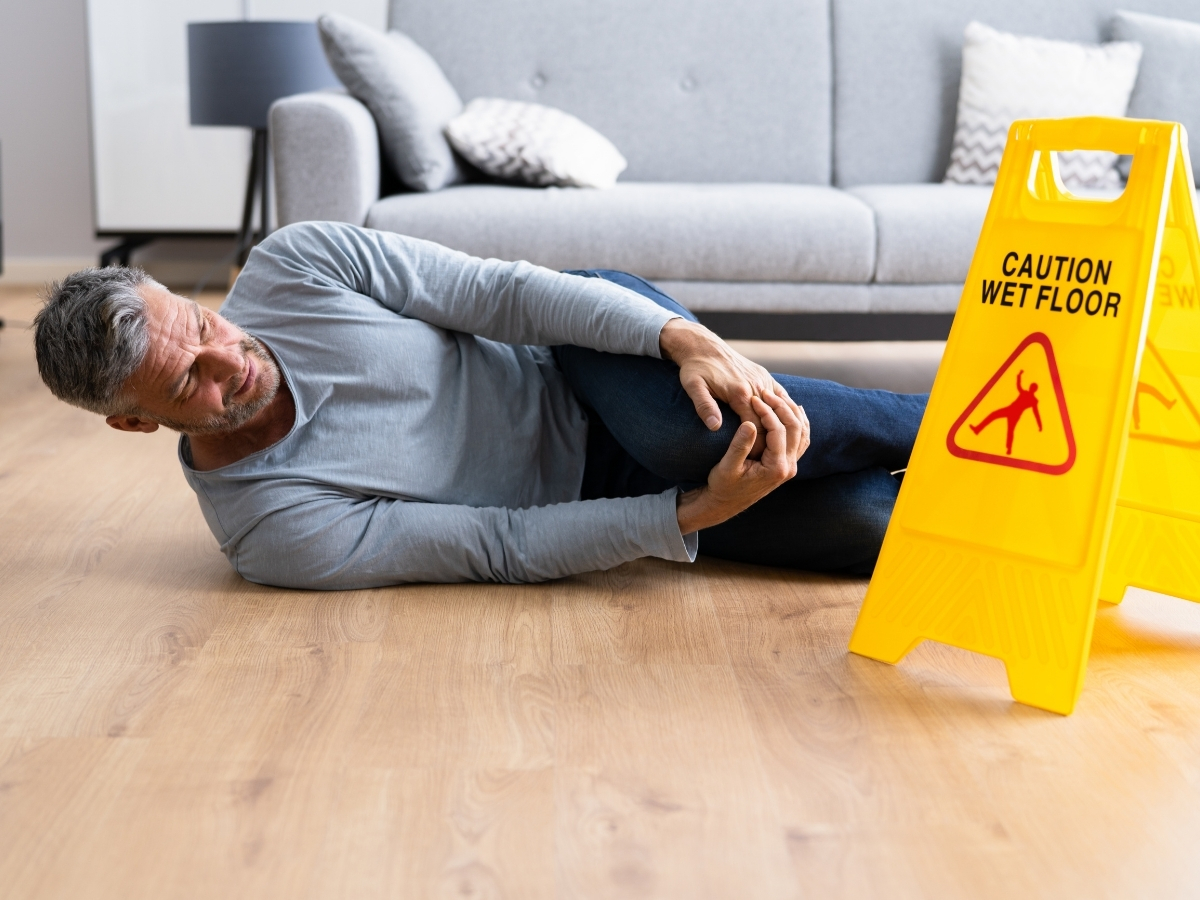
A slip and fall accident can happen in an instant, yet the resulting injuries often lead to long-term medical treatment, lost income, and significant emotional distress. Understanding the most common injuries and the immediate steps to take after a fall is crucial for protecting your health and your legal right to compensation.
In this complete guide for injury victims, we’ll outline the most common slip and fall injuries and provide a clear action plan for documenting the incident, seeking medical care, and navigating the path toward recovery and justice.
Common Slip and Fall Injuries and What to Do Next to Protect Yourself
What Causes Slip And Fall Accidents?

Slip and fall accidents usually happen for the same reason: a property has a condition that creates an avoidable risk, and the people responsible for that property do not fix it in time or warn visitors clearly. While falls can happen anywhere, many incidents trace back to basic maintenance issues that should have been addressed long before someone got hurt.
Understanding common slip and fall injuries and what to do next often starts with understanding what caused the fall in the first place.
Wet Floors And Missing Warnings
One of the most common causes is a wet or freshly mopped floor with little to no warning. Spills in grocery aisles, tracked-in rain near entrances, and recently cleaned surfaces can all create slick conditions.
The issue is not simply that a floor was wet. It is whether the hazard was handled reasonably, including timely cleanup, visible warning signs, and appropriate barriers when needed. When warnings are absent or hard to see, people do not have a fair chance to avoid the danger.
Uneven Surfaces And Broken Pavement
Sidewalk defects, cracked pavement, potholes, and uneven transitions between surfaces can lead to sudden trips that are hard to catch. These hazards are especially risky in parking lots, curb ramps, and older walkways where shifting ground and wear are common.
Small elevation changes can still cause serious falls, particularly when the area is busy or when someone is carrying bags and cannot see the ground clearly.
Loose Flooring And Worn Carpeting
Indoors, loose carpeting, curling mats, uneven tiles, and damaged flooring can create a catch point that sends someone forward without warning. These are the kinds of problems that often develop over time, which is why inspections and repairs matter.
If a hazard has been present long enough that staff or management should have noticed it, that can become an important detail later.
Poor Lighting And Unsafe Stairwells
Lighting plays a bigger role than many people realize. Dim stairwells, burned-out bulbs in hallways, and shadowed entryways make it harder to see wet spots, changes in flooring, or steps that are not clearly marked.
Poor visibility turns minor defects into major risks, particularly on stairs where a misstep can lead to a serious injury.
Ice, Debris, And Cluttered Walkways
Outdoor ice and indoor debris are also frequent factors. In colder weather, untreated ice near doors, sidewalks, and parking areas can be dangerous.
In any season, cluttered aisles, cords, boxes, and debris left in walking paths can cause trips, especially in workplaces and retail environments where foot traffic is high.
If you are dealing with a fall, knowing common slip and fall injuries and what to do next includes taking note of conditions like these, because the cause often shapes what steps make sense afterward and what documentation may matter later.
Common Slip And Fall Injuries

Slip and fall accidents are often treated like a short-term inconvenience, but the injuries can be serious and, in some cases, life-changing. The type of injury usually depends on how a person lands, what they strike on the way down, and whether the fall happens on stairs, concrete, or another hard surface.
Understanding common slip and fall injuries and what to do next starts with knowing what to watch for and why follow-up care matters, even when you feel stable right after the fall.
Head Injuries And Traumatic Brain Injuries
Head injuries are among the most concerning outcomes of a slip and fall. Falls are a leading cause of traumatic brain injuries, and many people do not realize how quickly symptoms can develop.
A concussion can occur without a loss of consciousness, and early signs may include headache, dizziness, nausea, confusion, sensitivity to light, or changes in sleep.
More serious outcomes can involve skull fractures or internal bleeding or swelling in the brain, which may present as worsening headache, repeated vomiting, slurred speech, or trouble staying alert.
Even “mild” head injuries can have long-term effects, including memory issues, difficulty concentrating, mood changes, and persistent fatigue.
If you are reviewing common slip and fall injuries and what to do next, a key point is that head symptoms deserve prompt medical evaluation, especially if they intensify over the next day or two.
Broken Bones And Fractures
Fractures are some of the most common slip and fall injuries, largely because the body tries to protect itself instinctively. Many people throw out an arm to break the fall, which can lead to wrist, hand, or forearm fractures.
Ankles and lower legs are also frequently affected, particularly when someone slips and twists before hitting the ground. Hips are another major concern, and falls that result in hip fractures can be especially dangerous for older adults due to complications and longer recovery times.
Fractures can be obvious, but not always. Swelling, bruising, pain with movement, and an inability to bear weight can all be signs that a bone is broken. Hip fractures, in particular, often require surgery and a lengthy rehabilitation period, which can disrupt work, independence, and overall mobility.
Back And Spinal Injuries
A slip and fall can also injure the back and spine, especially when the fall involves a hard landing on the tailbone or a twisting motion. Common injuries include herniated or bulging discs, spinal fractures, and nerve damage.
These injuries may show up as sharp back pain, tingling or numbness in the arms or legs, weakness, or pain that radiates into the hips or down the legs.
In severe cases, spinal trauma can lead to partial or complete paralysis. While that outcome is less common, it highlights why back symptoms should be taken seriously.
Chronic pain and reduced mobility are more frequent consequences, and they can affect daily functioning long after the initial incident.
Soft Tissue Injuries
Soft tissue injuries include sprains, strains, and tears, and they are easy to dismiss because they do not always appear on standard imaging. These injuries can involve muscle strains, ligament sprains, and tears such as a torn rotator cuff or knee ligament injury.
They can be painful, slow to heal, and disruptive to work and routine activities, particularly when they affect the shoulder, knee, or ankle.
Soft tissue injuries can also worsen if someone tries to “push through” normal activity too soon. If pain, swelling, or instability continues beyond a short period, follow-up care is important.
In the context of common slip and fall injuries and what to do next, the practical takeaway is simple: treat symptoms early, follow medical guidance, and do not assume a lack of visible damage means the injury is minor.
What To Do Next After A Slip And Fall Accident
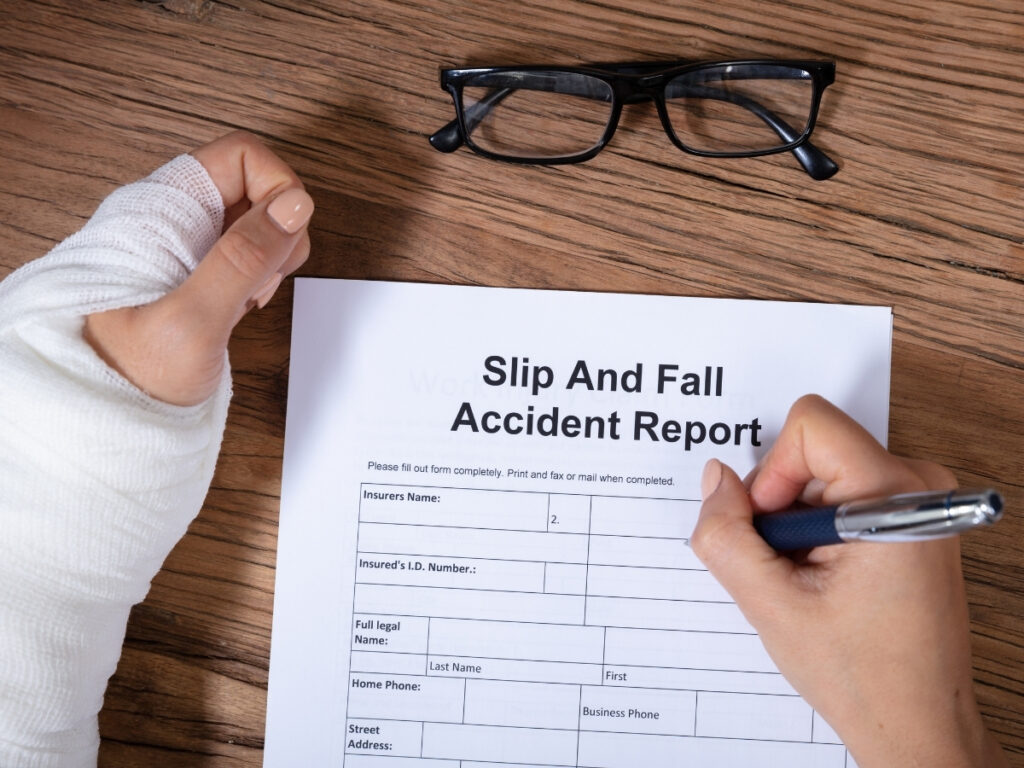
Knowing common slip and fall injuries and what to do next is not only about the diagnosis. It is also about the steps you take right after the incident, while details are still fresh and before symptoms evolve. The actions below can protect your health first and also help you create a clear record of what happened, which matters if questions come up later.
Seek Medical Attention Promptly
Even if you feel mostly fine, it is smart to get evaluated as soon as possible. Some injuries, including concussions, soft tissue damage, and back issues, can worsen over the next day or two.
Prompt care also creates medical documentation that links your symptoms to the fall. If you are trying to understand common slip and fall injuries and what to do next, this is one of the most important steps because it supports both recovery and clarity.
Report The Incident And Ask For Documentation
Notify the property owner, manager, or supervisor and ask whether an incident report can be completed. A written report helps establish when and where the fall occurred, and it reduces the chance that details get disputed later.
If the property has surveillance cameras, it is also worth noting that you would like the footage preserved, since recordings are often overwritten.
Document The Scene While It Is Unchanged
If it is safe to do so, take photos or video of the condition that caused the fall and the surrounding area. Capture angles that show context, such as nearby signs, lighting conditions, wet flooring, uneven surfaces, or debris.
If you have visible injuries, document them as well, since bruising and swelling can change quickly. Witnesses can also be important. If anyone saw the fall or the hazard, get their names and contact information before they leave.
Be Cautious With Insurance Conversations
If an insurance company reaches out, keep your communication factual and limited. Avoid guessing about fault or minimizing symptoms, especially before you have a full medical evaluation.
Early settlement offers can come before the full cost of treatment is known, so it helps to understand what you are agreeing to before signing anything.
Some people choose to consult an attorney, particularly if the injuries are serious or liability is disputed. Firms such as Hummel Trial Law assist clients with premises liability matters, including evidence preservation and claim strategy, which can help avoid common mistakes after a fall.
Legal Responsibility In Slip And Fall Cases
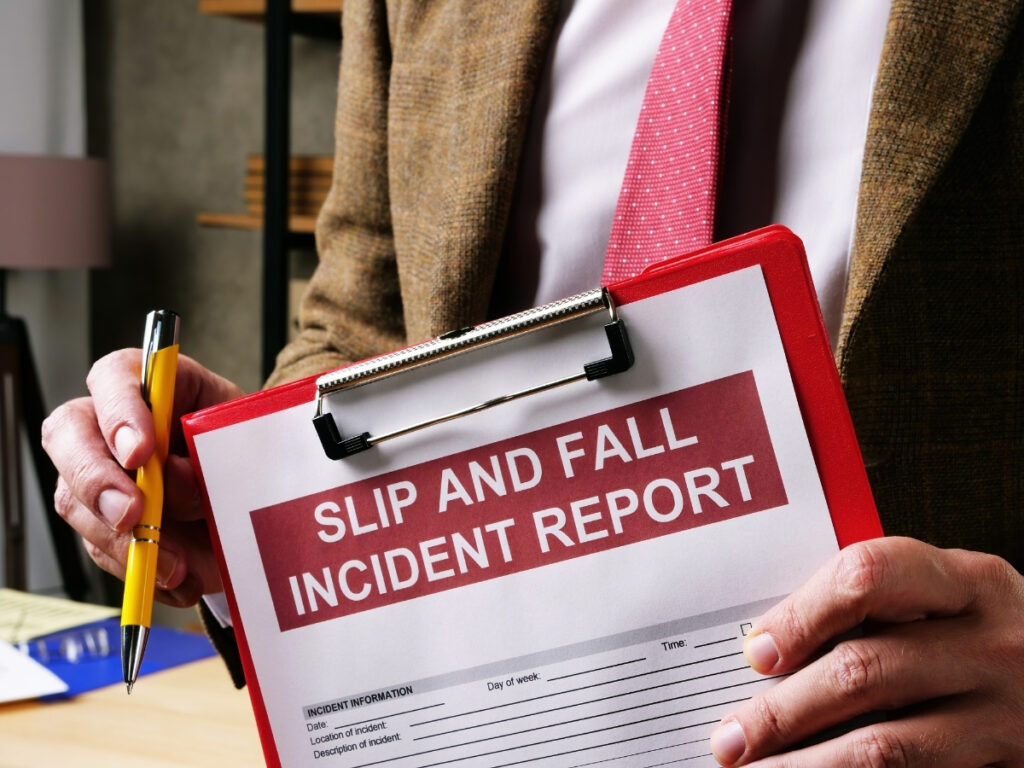
Slip and fall cases often come down to one core question: should the property owner or manager have prevented the hazard or warned visitors about it. Property owners generally have a duty to maintain reasonably safe conditions for lawful guests, which includes fixing dangerous problems in a timely way and providing clear warnings when a hazard cannot be corrected immediately.
Understanding common slip and fall injuries and what to do next includes knowing that this legal duty is not automatic proof of fault. Liability usually depends on what the owner knew or should have known, and whether their response was reasonable.
To prove liability, evidence matters. Photos of the hazard, the surrounding area, and the lighting can help show how dangerous the condition was and whether it was easy to miss.
Incident reports, witness statements, and surveillance footage can also help establish what happened and how long the hazard may have been present.
This is important because property owners and insurers often defend these claims by arguing that the condition was obvious, that it appeared moments before the fall, or that the injured person was not paying attention. Clear documentation can help counter those arguments.
When liability is established, compensation may include medical expenses and related costs, including ongoing care if the injury requires extended treatment. Lost income can also be part of the claim if the injury caused missed work or reduced the ability to perform job duties.
In some situations, pain and suffering is considered, especially when injuries limit daily activities or cause persistent symptoms. For more serious cases, claims may also account for long-term disability or reduced earning capacity when an injury creates lasting limitations.
Because slip and fall cases are often challenged, many people seek legal guidance when injuries are significant or fault is disputed.
Firms such as Hummel Trial Law handle premises liability matters and understand how to build a case using records, timelines, and evidence preservation.
If you are researching common slip and fall injuries and what to do next, it helps to remember that the strength of a claim often depends on early documentation and a clear strategy, not just the seriousness of the injury.
Common Mistakes To Avoid After A Slip And Fall

After a fall, it is easy to focus on getting up, shaking it off, and moving on. Unfortunately, that instinct can create problems later, especially if symptoms develop or the property owner disputes what happened.
Understanding common slip and fall injuries and what to do next also means knowing what not to do. A few avoidable mistakes can weaken a legitimate claim and make recovery more stressful than it needs to be.
Delaying Medical Treatment
One of the biggest missteps is waiting too long to get checked out. Head injuries, back problems, and soft tissue damage do not always show symptoms right away, and discomfort can build over the next day or two.
Prompt medical care protects your health and creates a record that links your injuries to the incident. If you delay, an insurer may argue your injuries were minor or unrelated, which can complicate matters when you are trying to document common slip and fall injuries and what to do next.
Failing To Document The Scene
Another common mistake is leaving without taking photos or noting what caused the fall. Hazards can be cleaned up quickly, warning signs can appear after the fact, and conditions may look different even an hour later.
If you can, document the hazard, the surrounding area, and lighting conditions. If you have visible injuries, photograph them as well. Witness information is also useful, since independent statements can support your account if the property owner denies the hazard existed.
Not Reporting The Incident
Many people feel awkward reporting a fall, especially in a store or workplace, but not reporting it can create a major gap in the record. Ask the manager or supervisor to file an incident report and make a note of the date, time, and location. An official report helps confirm that the event occurred and reduces disputes later.
Accepting A Quick Settlement Too Soon
Quick settlement offers can come before the full scope of an injury is known. Accepting early may mean signing away the ability to recover additional costs if symptoms worsen or treatment lasts longer than expected.
If injuries are significant or fault is contested, it may be wise to get legal guidance before agreeing to anything. Avoiding these mistakes can make a meaningful difference in common slip and fall injuries and what to do next, especially when documentation and timing matter.
Take Action After a Slip and Fall Injury
Understanding common slip and fall injuries and what to do next can make a meaningful difference in your recovery and your ability to secure fair compensation. From seeking immediate medical care to documenting the scene and protecting your legal rights, every step matters.
If you’ve been injured due to a property owner’s negligence, the experienced attorneys at Hummel Trial Law are ready to help you build a strong case for the compensation you deserve. Don’t let your recovery be compromised by mounting bills and insurance pushback. Call 404-689-0104 today for a free, confidential consultation. Let us fight for the justice and support you need to move forward.